Archaeologists discover Roman camp in Spain, reveal deliberate fire on Celtic town
Archaeologists found a Roman military camp in northern Spain, revealing evidence of a deliberate fire that destroyed a nearby Celtic settlement, likely intended to humiliate the defeated Cantabri peo…
Archaeologists have uncovered a Roman military camp in northern Spain that shows clear signs of a deliberate fire that destroyed a nearby Celtic settlement, suggesting the Romans may have burned the town to humiliate the defeated Cantabri people. The camp, discovered a few hundred metres from the ruins of an Iron Age hill‑fort, dates to the final phase of the Cantabrian Wars fought by Emperor Augustus in 19 B.C.
The Cantabri, a confederation of Celtic tribes living in the Cantabrian Mountains, resisted Roman expansion for more than a decade. Augustus sent legions to the region to secure the Iberian Peninsula, and by 19 B.C. the Romans had finally broken the Cantabri’s hold on the land. The new find adds a tangible layer to the historical record of that brutal campaign, showing how the Romans moved from battlefield victories to systematic destruction of local settlements.
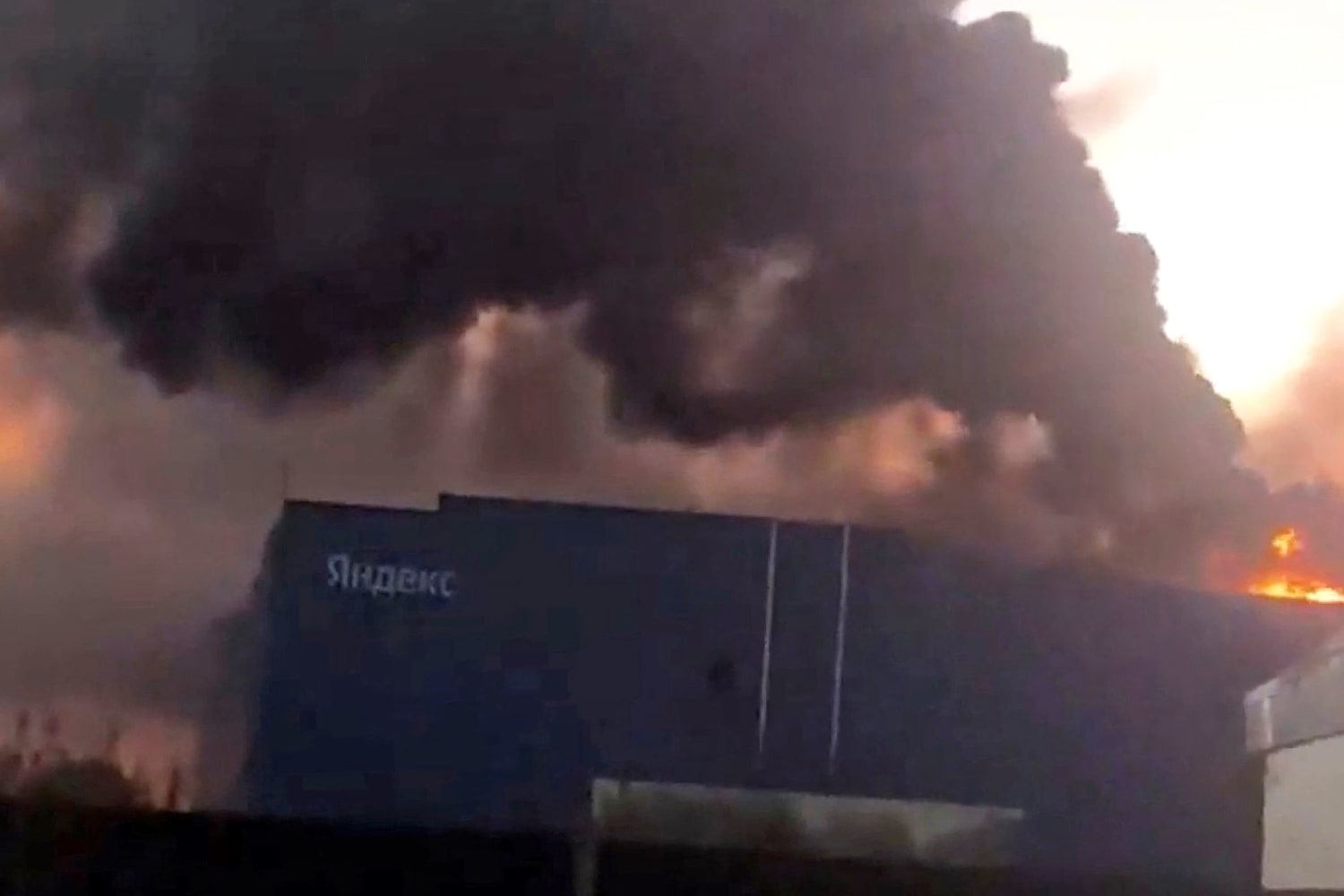
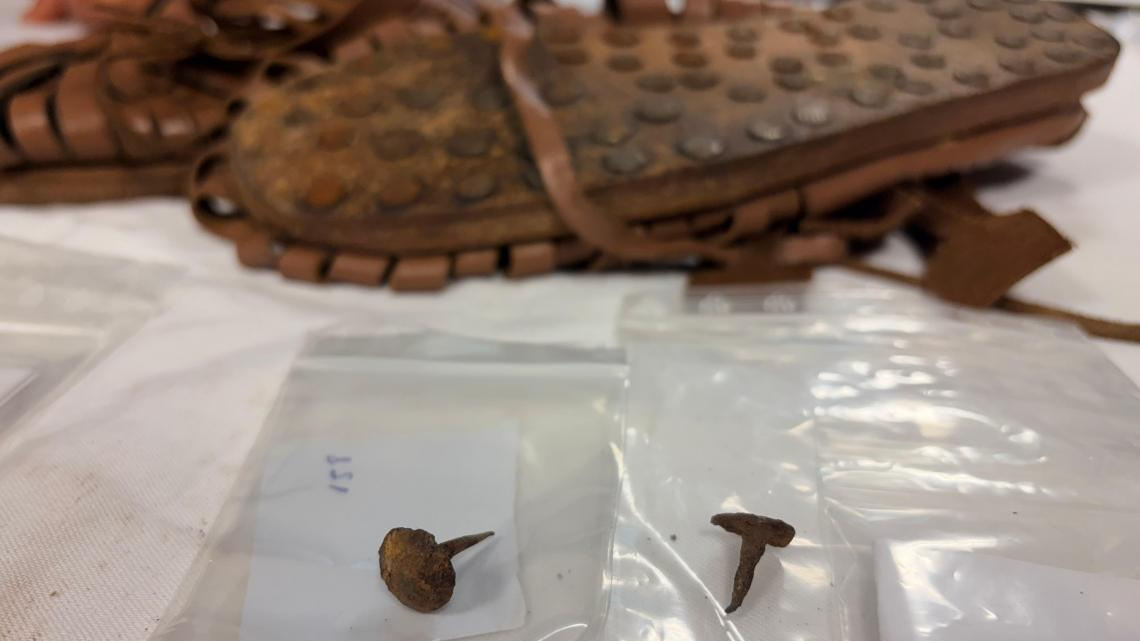
The fortified camp sits on an earthen platform about 12 metres wide, surrounded by a stone wall roughly 1.5 metres thick. Excavators recovered fragments of metal weapons and tiny iron hobnails that once secured the soles of Roman sandals, confirming the presence of a fully equipped legion. Charred layers and collapsed walls in the adjacent Celtic town, including two burned temples, point to a major conflagration. “It’s not just about defeating the enemy, but about humiliating them, erasing their identity, and breaking their connection to the land,” said Eduardo González Gómez de Agüero of the University of León, who co‑directed the dig.
Researchers now aim to pin down whether the fire was a single, coordinated act or the result of a prolonged siege. The discovery joins a map of 66 Roman camps already identified across northern Spain, underscoring the scale of Rome’s military push into the region. By linking the camp to the burned settlement, scholars can better understand the tactics used to subdue the Cantabri and the broader process of Romanisation that reshaped the Iberian Peninsula.
Read Full Story at Live Science →