Breakthrough PTSD treatment achieves 68% remission rate in clinical trial
A new FDA‑cleared treatment for post‑traumatic stress disorder (PTSD) has achieved a 68 % remission rate in a clinical trial, according to a study reported by ScienceDaily. The therapy, which uses pe…
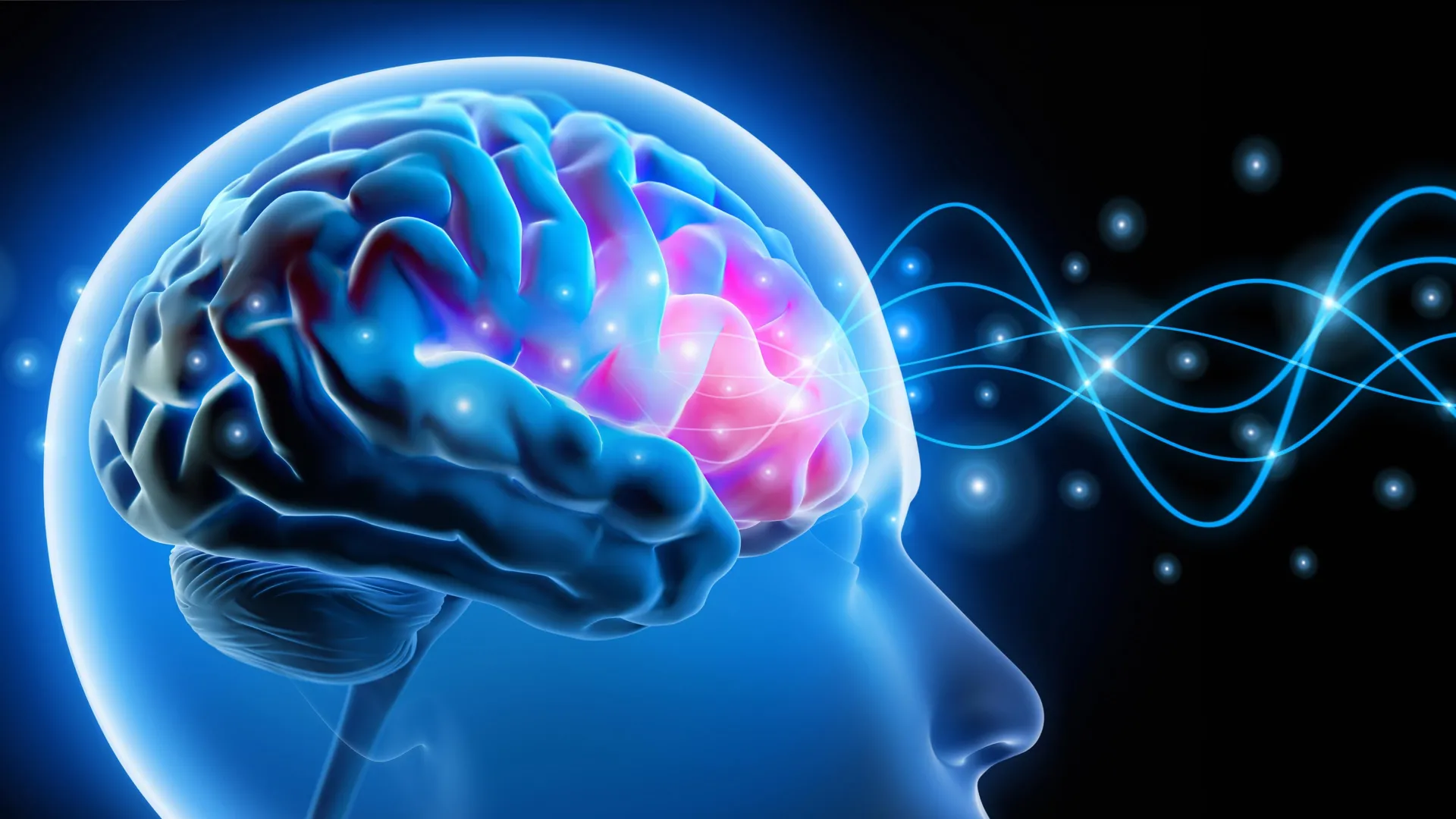
A new FDA‑cleared treatment for post‑traumatic stress disorder (PTSD) has achieved a 68 % remission rate in a clinical trial, according to a study reported by ScienceDaily. The therapy, which uses personalized brain mapping and magnetic stimulation to target abnormal brain activity, was tested on 120 adults who had not responded to standard medication or therapy.
PTSD affects about 7 % of U.S. adults, and most patients see only modest improvement with current options. Conventional drugs can cause side effects and many people do not recover fully. The new approach combines a non‑invasive brain scan that maps each patient’s neural patterns with a magnetic device that delivers focused stimulation to the areas most disrupted by trauma. By tailoring the treatment to individual brain maps, researchers hope to reset the circuits that drive flashbacks, nightmares and hyper‑arousal.
In the trial, participants received eight sessions of magnetic stimulation over four weeks. Researchers measured symptoms with the Clinician‑Administered PTSD Scale before and after treatment. The average symptom score fell by 52 %, and 68 % of patients reached remission, defined as a score below the diagnostic threshold. Dr. Elena Morales, the study’s lead author, said the results “are the most promising yet for a single‑session intervention.” Commentators noted that the remission rate is higher than that seen with prolonged exposure therapy or cognitive processing therapy, though longer follow‑up is needed to confirm lasting effects.
The FDA clearance means the therapy can now be offered in clinical settings, but the company plans to conduct larger, multi‑site trials to confirm safety and effectiveness. If the results hold up, the technology could be adapted for other disorders that involve abnormal brain networks, such as depression, obsessive‑compulsive disorder and addiction. The next phase will focus on refining the stimulation protocol, reducing treatment time, and exploring whether a single session can produce durable benefits for more patients.
Read Full Story at ScienceDaily →