Jakarta and New Orleans sink as groundwater depletion worsens
Major cities worldwide, including Jakarta and New Orleans, are sinking due to groundwater depletion and rising sea levels, with some areas subsiding by several inches annually. This crisis threatens …
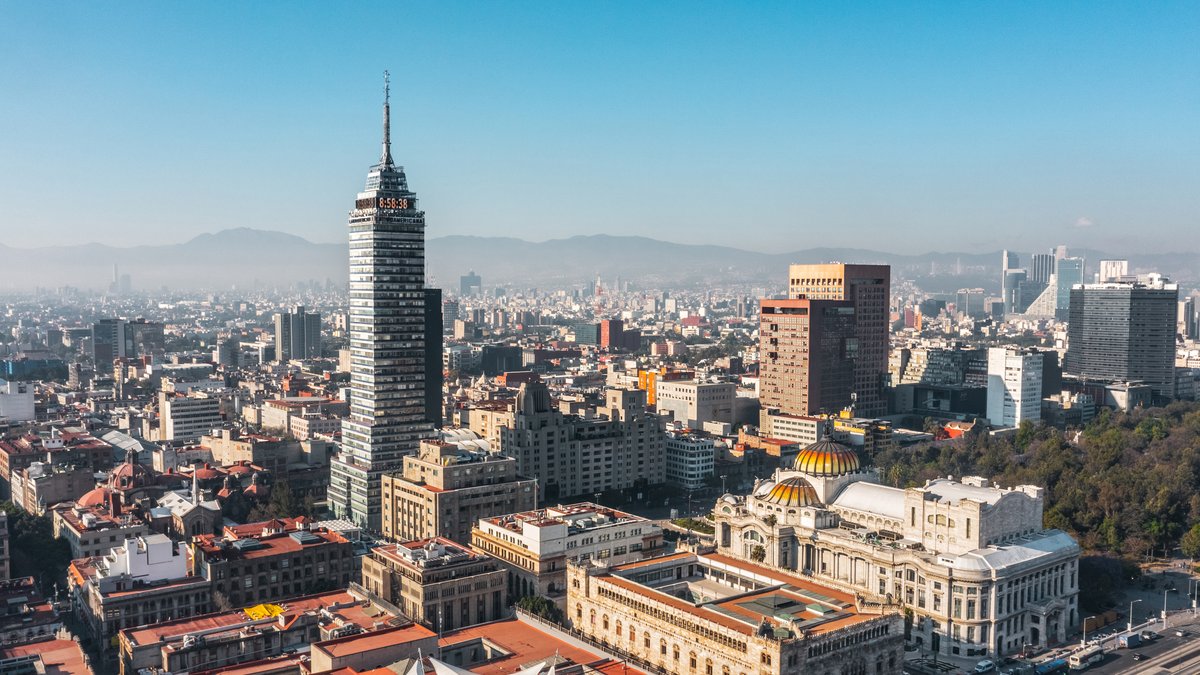
An extensive new survey reveals that the world’s largest cities are sinking at alarming rates, with some areas subsiding by several inches each year. This phenomenon is affecting urban centers across the globe, including major cities like Jakarta, New Orleans, and Tokyo. The study highlights the urgent need for action as rising sea levels and groundwater extraction exacerbate the problem.
The sinking of cities is primarily driven by a combination of factors. Groundwater depletion occurs when cities over-extract water from aquifers, leading to a loss of support for the ground above. Additionally, climate change contributes to rising sea levels, which threaten coastal cities already struggling with subsidence. Urbanization has intensified these issues, as cities expand and populations grow, putting further stress on natural resources and infrastructure.
The implications of subsiding cities are dire. As land sinks and sea levels rise, flooding becomes more frequent and severe, threatening homes, businesses, and essential services. This situation can lead to displacement of populations, economic losses, and heightened inequality as vulnerable communities bear the brunt of the impacts. For instance, Jakarta is sinking so rapidly that officials plan to relocate the capital to Borneo to escape the consequences.
Addressing this crisis requires urgent and coordinated efforts. Policymakers must implement sustainable water management practices, invest in resilient infrastructure, and prioritize coastal protection measures. As climate change continues to pose unprecedented challenges, understanding the dynamics of subsidence will be crucial for safeguarding the future of urban life. Cities need to act now to protect their residents and maintain their viability in an increasingly uncertain world.
Read Full Story at Scientific American →