Google DeepMind embeds watermarks in AI-generated proteins to enhance biosecurity.
Scientists at Google DeepMind have developed a method to embed hidden "watermarks" in AI-generated proteins to improve traceability and prevent bioweapon creation. While the technique shows promise i…
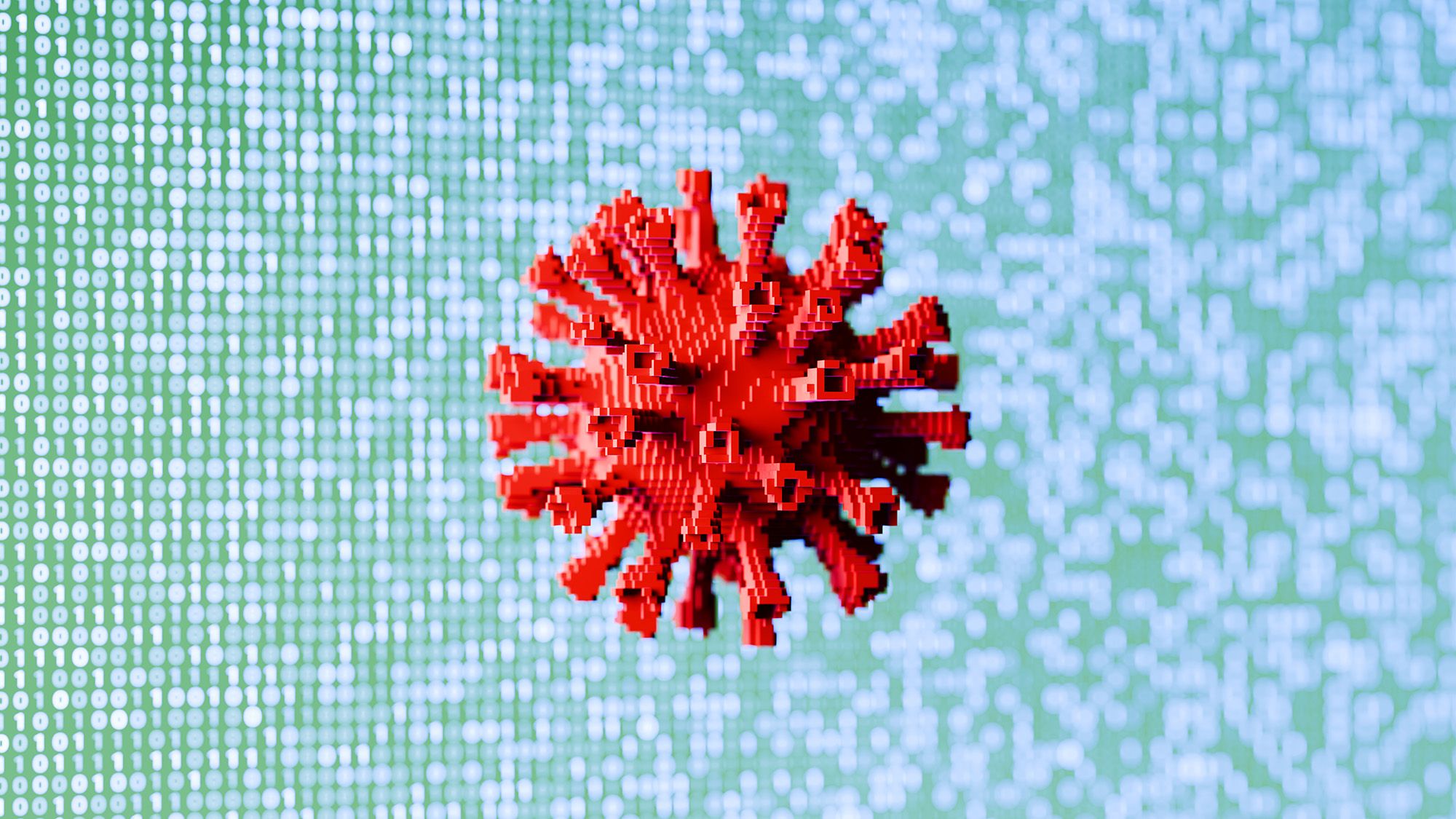
Scientists at Google DeepMind have unveiled a method to embed hidden “watermarks” in proteins designed by artificial‑intelligence tools, aiming to make it easier to trace the origin of AI‑generated sequences and to deter their use in bioweapons. The technique, called SynthIDBio‑sequence, modifies the amino‑acid choices made by the protein‑design program ProteinMPNN so that a secret key can later reveal whether a sequence was created with the watermark. In tests, the watermarked proteins performed as well as ordinary designs, binding to their targets without loss of function.
The breakthrough comes as AI‑driven protein engineering has moved from prediction to creation. Since AlphaFold’s 2020 release, researchers can predict a protein’s three‑dimensional shape from its sequence, and newer tools can suggest entirely new sequences that fold into desired structures. That power promises novel medicines but also raises biosecurity fears, because AI can generate proteins that look unlike any known toxin or virus component, slipping past existing screening systems that rely on similarity to known threats. Experts say the ability to flag engineered proteins for extra checks could help keep databases clean and prevent malicious actors from hiding dangerous designs.
While the watermark offers a promising safeguard, some scientists warn it may be a double‑edged sword. The same AI algorithms that insert the hidden code can also be trained to erase it, potentially leaving a loophole for adversaries. Roy Sleator, a biology professor in Ireland, said the method could improve provenance tracking and reduce false claims about how a protein was made, but emphasized that broader adoption and robust verification standards will be needed. George Rose, a biophysics emeritus at Johns Hopkins, cautioned that any technology useful for good can be repurposed for harm. The DeepMind team plans to refine the key‑generation process and work with international biosecurity bodies to embed the watermark into public protein‑design pipelines, hoping the added traceability will become a standard part of future AI‑driven biotechnology.
Read Full Story at Live Science →