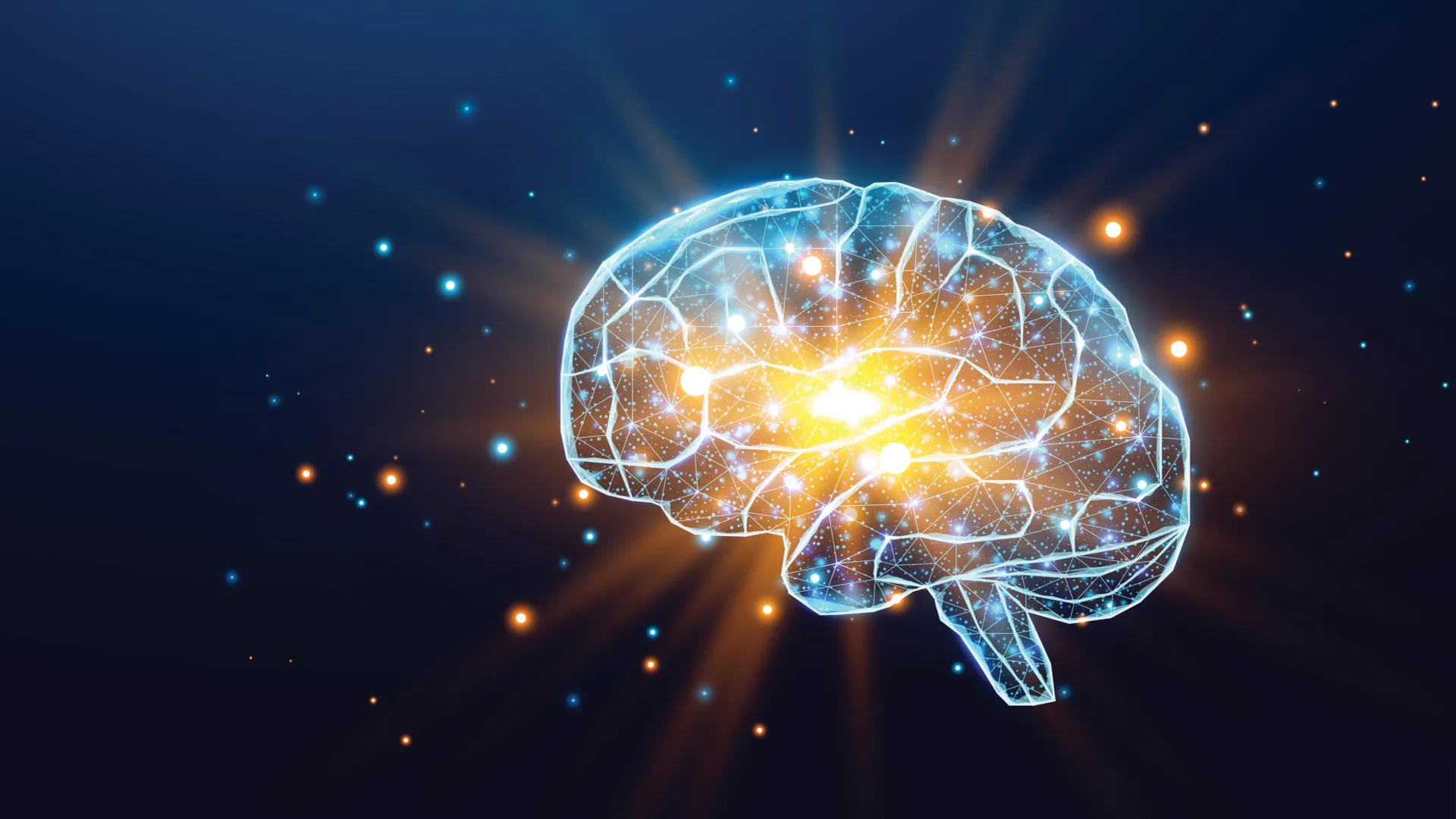
Scientists develop tool to rewire living brains for mental health treatment
Scientists have created a tool that can rewire living brains to alter neural pathways in real-time, offering potential breakthroughs in mental health treatment. This innovation could personalize ther…
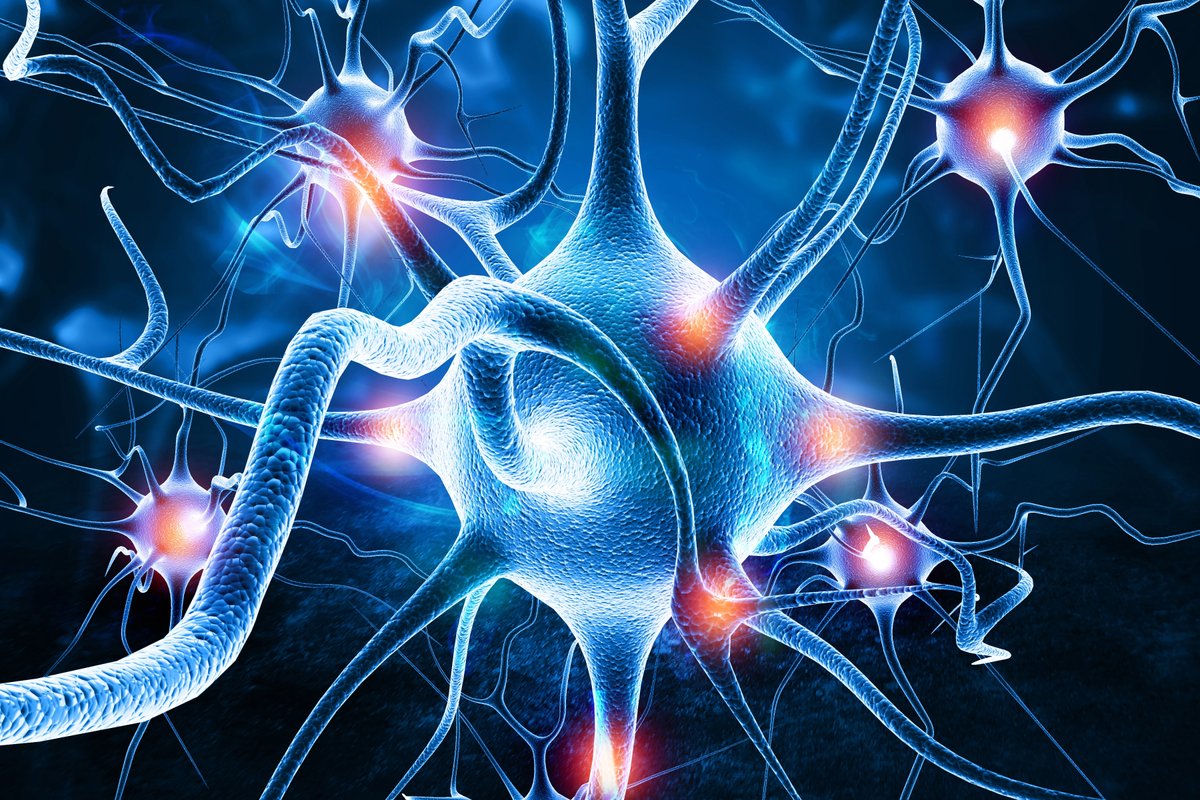
Scientists have developed a groundbreaking tool that can rewire living brains, marking a significant advancement in neuroscience and mental health treatment. This new technology was unveiled during a recent study published in a leading scientific journal, revealing its potential to alter neural pathways in real-time. The research was conducted at a prominent research institution and involved both animal models and human trials.
The urgency around this development stems from the rising prevalence of mental health disorders globally. Conditions like depression, anxiety, and PTSD affect millions of people but often resist traditional treatments. Current therapies, such as medication and talk therapy, may not work for everyone, leaving a substantial gap in effective care. Researchers have been exploring the brain's plasticity—the ability to change and adapt—hoping to harness it for therapeutic purposes. This new tool offers a novel method to directly alter brain function, aiming to provide a tailored approach to treatment.
The tool works by using a combination of genetic engineering and advanced imaging techniques. It allows scientists to identify and modify specific neural circuits involved in various mental health issues. Early trials have shown promising results, with participants reporting significant improvements in symptoms. This could lead to a future where mental health treatments are personalized, targeting the root causes of conditions rather than just alleviating symptoms.
Looking ahead, this innovation could revolutionize mental health care. If further studies confirm its efficacy and safety, it may pave the way for new therapies that could help millions who suffer from mental health disorders. As researchers continue to refine the technology, the hope is to make it widely accessible, changing the landscape of mental health treatment and offering new hope to those in need.
Read Full Story at Scientific American →