Polestar analyzes driver brain activity to enhance performance car experience
Polestar is using EEG technology to analyze drivers' brain activity while testing its performance electric vehicles, aiming to enhance the driving experience by fine-tuning vehicle responses. This in…
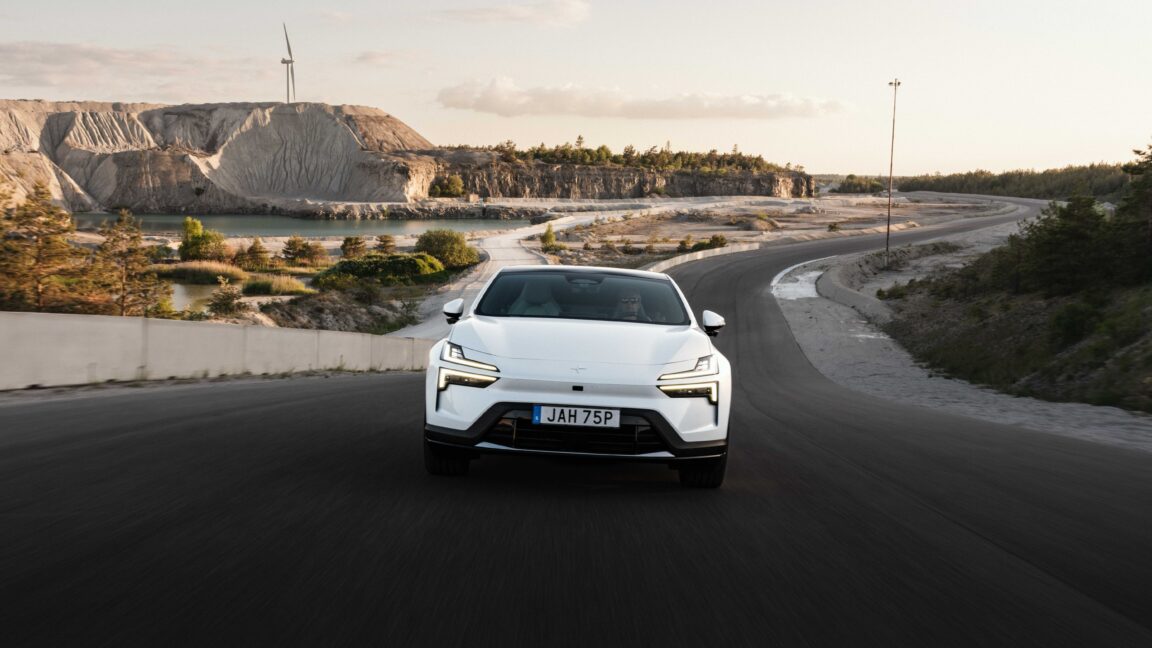
Polestar strapped electroencephalogram (EEG) electrodes to the heads of test drivers as they lapped a race track in Sweden on Tuesday, recording brain activity to quantify the feel of its performance electric vehicles. The data will be used to fine‑tune steering response, torque delivery and cabin feedback in the upcoming Polestar 3 SUV and future models.
Automakers have long relied on driver impressions and test‑track lap times to gauge a car’s dynamics, but electric cars lack the engine noise and vibration cues that traditionally signal performance. As EVs gain market share, brands are racing to create a visceral driving experience that rivals internal‑combustion rivals. Polestar’s experiment follows similar efforts by rivals such as Tesla, which uses telemetry, and Audi, which has explored haptic feedback. The company’s engineering team partnered with a neuroscience firm to map drivers’ emotional states—excitement, focus, frustration—against vehicle inputs, hoping to turn subjective sensations into measurable metrics.
The trial involved 20 experienced drivers, each completing ten laps while wearing a lightweight EEG cap and a suite of biometric sensors that measured heart rate and skin conductance. Preliminary analysis showed spikes in alpha wave activity when the car’s torque vectoring system engaged, indicating heightened driver engagement. Polestar’s head of performance, Lina Berg, said the findings will inform software updates that adjust steering feel and acceleration curves in real time, making the car “talk” to the driver’s brain. Early reactions from participants were positive, with several noting that the car felt “more alive” when the data-driven tweaks were applied.
Polestar plans to integrate the brain‑data insights into its next software release, slated for the fall, and will expand testing to a broader pool of drivers, including everyday owners. If successful, the approach could become a new benchmark for measuring driver experience across the EV industry, shifting product development from purely mechanical metrics to a blend of physiology and performance. The data may also feed into Polestar’s autonomous driving algorithms, allowing future cars to adapt to a driver’s stress level and confidence on the road.
Read Full Story at Ars Technica →