New study reveals U.S. drinking water may underestimate PFAS by 50%
A new study suggests that U.S. drinking-water tests may underestimate PFAS contamination by over 50%, potentially exposing more Americans to harmful levels of these chemicals. By using advanced stati…
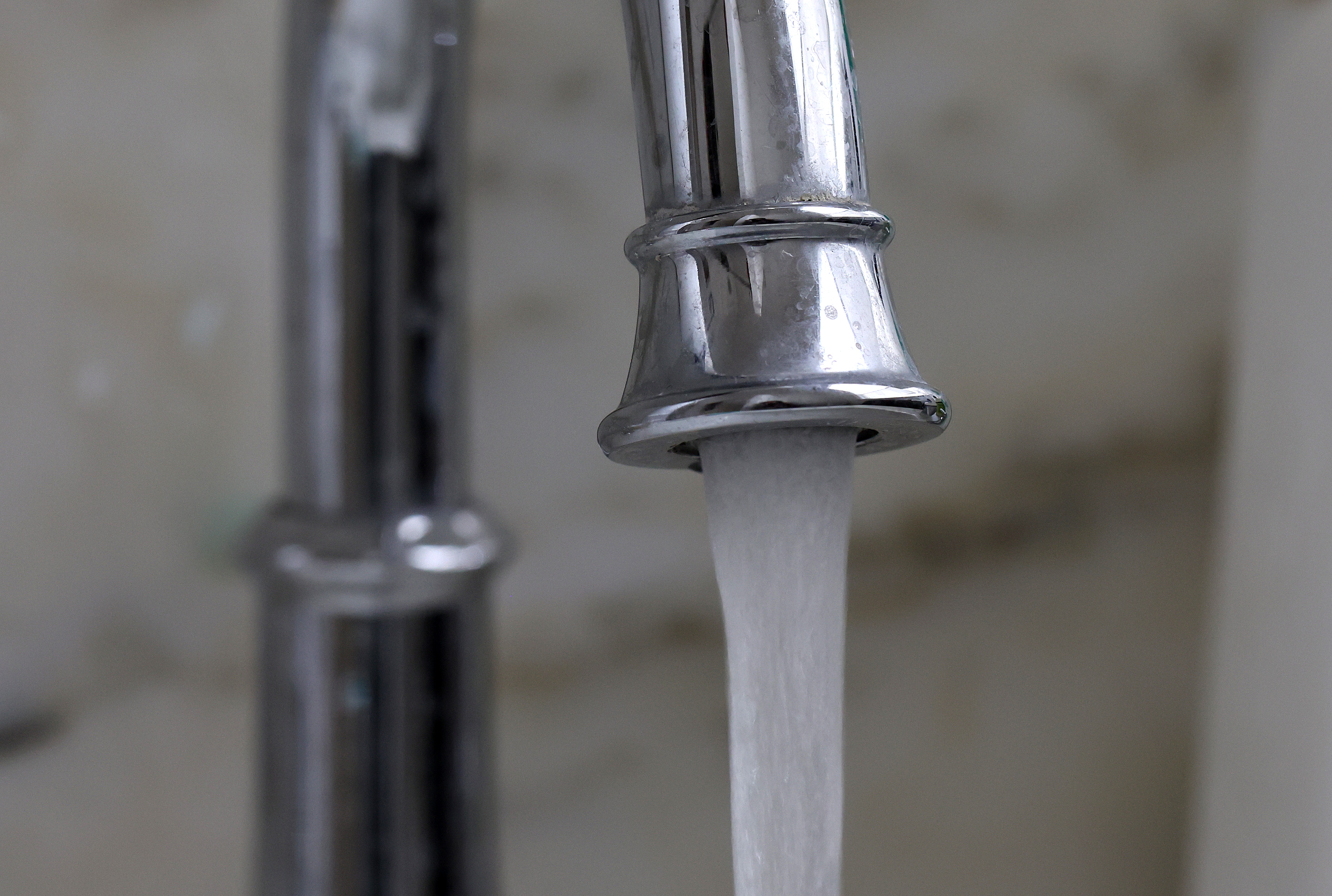
A new study published in Cell Reports Sustainability says U.S. drinking‑water tests may be under‑reporting PFAS by more than half, because results below laboratory reporting limits are often counted as zero. The researchers re‑examined federal monitoring data and found that estimated PFAS concentrations could be more than twice as high as the figures used by regulators today. The finding raises fresh concerns about how many Americans are exposed to these “forever chemicals.”
PFAS – a group of synthetic compounds used in firefighting foam, non‑stick cookware and many industrial processes – do not break down in the environment. Long‑term exposure is linked to cancer, immune system damage and hormone disruption. The Environmental Protection Agency (EPA) set health‑based advisory levels of 4 parts per trillion for PFOA and PFOS in 2023, but most water utilities still rely on detection limits that can be as high as 10‑20 ppt. When a sample measures below that limit, labs often report it as “non‑detect” and analysts treat it as zero, a practice that can mask low‑level contamination across large populations.
The study’s authors, led by researchers at the University of Michigan, applied statistical techniques that estimate likely concentrations for non‑detects instead of discarding them. Using data from the EPA’s Unregulated Contaminant Monitoring Rule, they calculated that the average PFAS level in public‑supply water could be 1.8‑2.2 times higher than current official estimates. About 65 % of the 2,300 samples they examined showed detectable PFAS when the new method was applied, compared with just 38 % under the zero‑assumption. Environmental groups welcomed the work, saying it highlights a blind spot in national monitoring. The EPA, which is drafting a first‑ever national drinking‑water standard for PFAS, has not yet responded to requests for comment.
If regulators adopt the study’s approach, many communities may have to reassess their water‑treatment needs and seek additional funding for filtration upgrades. The EPA is expected to release its final PFAS standard later this year, and the new findings could push the agency to tighten reporting requirements and lower detection limits. For residents, the research underscores the importance of testing home‑tap water, especially near industrial sites or military bases where PFAS use has been high. Accurate data will be crucial for protecting public health and guiding future policy.
Read Full Story at Inside Climate News →