Brian Stone retires as National Science Foundation director; replacement uncertain
Brian Stone, director of the National Science Foundation, will retire on December 31, leaving the agency without a confirmed leader as Senate hearings for his nominee, James O’Neill, remain unschedul…
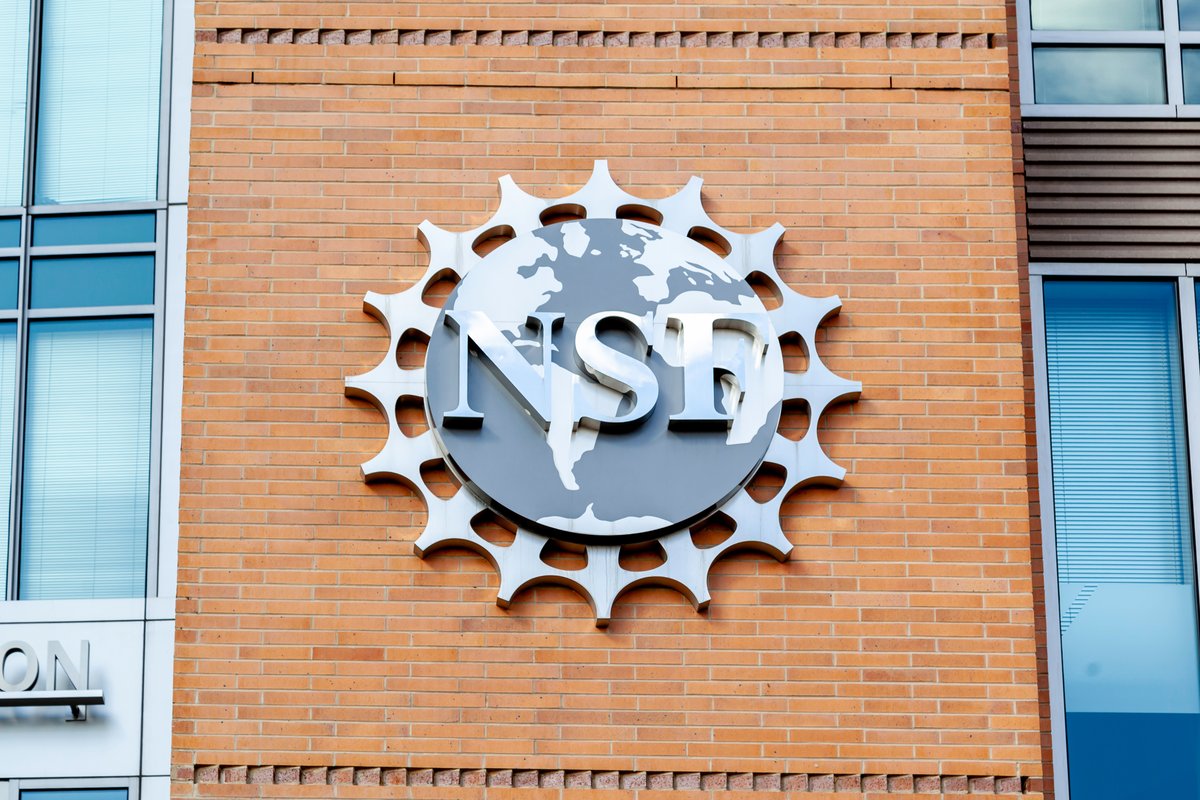
Brian Stone, the 15‑year director of the National Science Foundation, announced his retirement effective Dec. 31, leaving the agency without a confirmed leader as the Senate has yet to schedule a hearing for President Donald Trump’s nominee, James O’Neill. Stone’s departure comes at a time when the NSF is preparing to award billions of dollars in research grants for the 2027 fiscal year.
The delay matters because the NSF drives the United States’ basic research enterprise, funding everything from climate studies to quantum computing. Stone’s tenure saw the agency’s budget rise from $5.8 billion in 2010 to $8.5 billion in 2024, and his exit could stall the finalization of the FY 2025 budget that Congress must approve next month. The Senate’s inaction reflects broader partisan battles over science funding, with many Democrats demanding assurances that the agency will protect climate and public‑health research while Republicans push for greater oversight of grant awards.
James O’Neill, a former deputy director at the Department of Energy and a longtime advocate of public‑private research partnerships, was nominated in June but has faced criticism from both sides of the aisle. Some Senate Democrats argue his ties to industry could tilt NSF priorities toward commercial outcomes, while some Republicans worry he lacks the administrative experience to manage the agency’s sprawling portfolio. The Senate’s Judiciary Committee has not set a date for O’Neill’s confirmation hearing, and the nomination could languish until the next congressional session if the impasse continues.
If the Senate does not act quickly, the NSF may be run by an acting director appointed by the White House, a position that carries limited authority to make long‑term policy decisions. That could affect the timing of grant cycles, the rollout of new research initiatives, and the agency’s ability to respond to emerging scientific challenges. Stakeholders, including university administrators and industry partners, are urging Congress to move forward, warning that prolonged leadership uncertainty could erode the United States’ competitive edge in global research.
Read Full Story at Scientific American →