NASA's CHAPEA crew completes year-long Mars simulation on October 31, 2026.
NASA's CHAPEA crew completed a year-long simulated Mars mission on October 31, 2026, providing vital data on the effects of isolation on crew health and performance. This research will inform future …
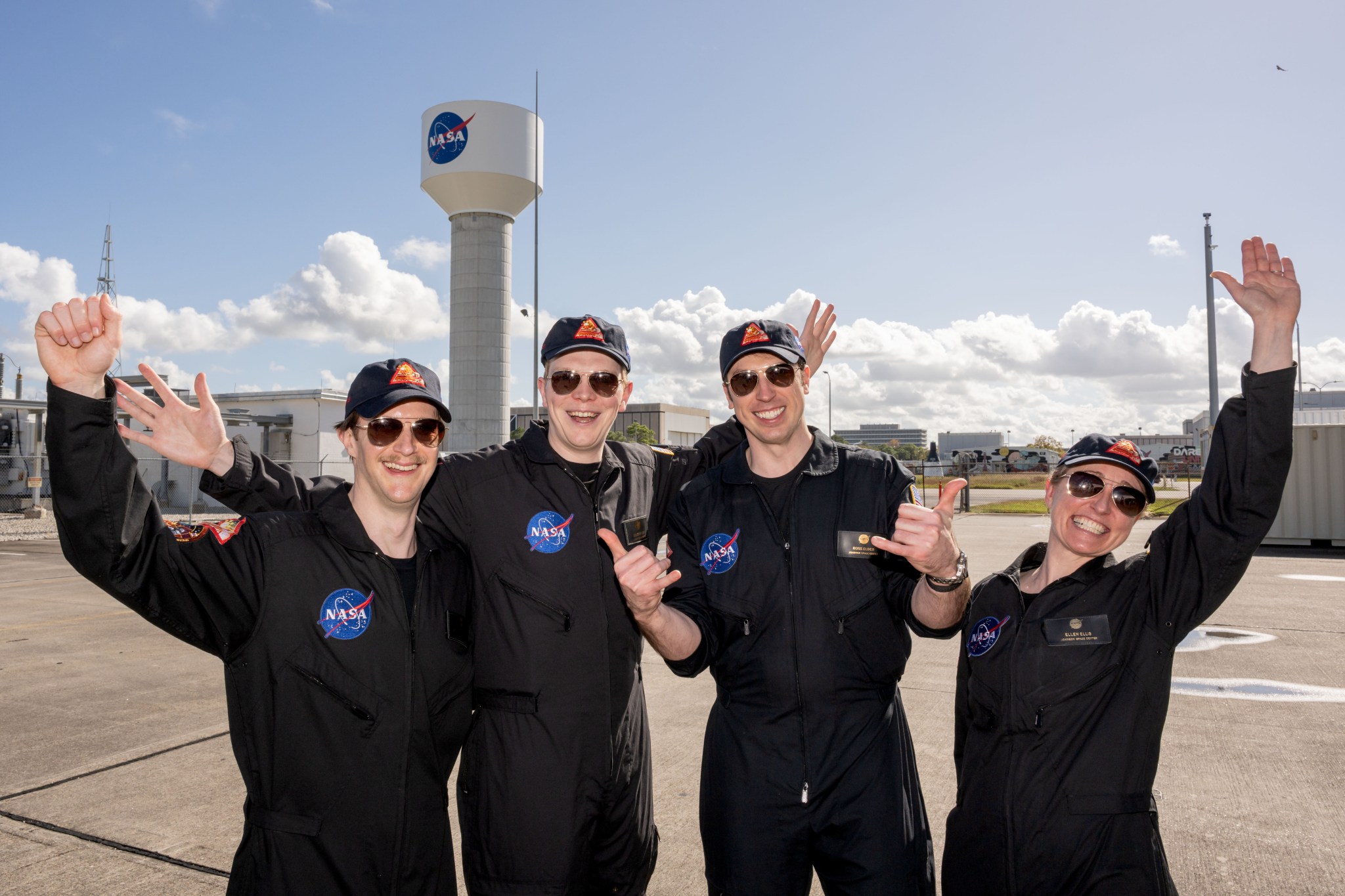
NASA's CHAPEA crew, consisting of four members, completed their year-long simulated Mars mission and "returned" to Earth on October 31, 2026. This crew, which included Matthew Montgomery, James Spicer, Ross Elder, and Ellen Ellis, had been living in isolation at a facility designed to mimic the conditions of a Mars habitat. Their return marks a significant milestone in NASA's preparations for future manned missions to the Red Planet.
The CHAPEA program is a vital part of NASA's Artemis program, which aims to establish a sustainable human presence on the Moon and eventually send astronauts to Mars. This simulation is crucial for understanding how long-duration space missions affect crew health and performance. As humanity prepares for the next giant leap into deep space, understanding the psychological and physiological challenges of isolation and confinement is essential. With plans for a crewed Mars mission set for the 2030s, the insights gained from CHAPEA will help shape mission protocols and crew selection.
During their time in the simulation, the crew engaged in various activities that mirrored real-life scenarios on Mars, including scientific experiments, maintenance tasks, and daily routines. They were also cut off from outside communication to replicate the challenges of a Mars mission, where delays in communication with Earth could last up to 20 minutes. Each member of the crew had specific roles, allowing them to develop teamwork and problem-solving skills that will be crucial on actual missions.
Looking ahead, NASA will analyze data collected from the CHAPEA mission to refine its approach to future explorations. This includes assessing crew dynamics, coping mechanisms, and health metrics. The findings could lead to improvements in isolation training and support systems for astronauts on long-duration missions. The success of CHAPEA is a step closer to human exploration of Mars, emphasizing the importance of research and preparation as space agencies aim for interplanetary travel.
Read Full Story at NASA →