Three Grand Canyon wells exceed arsenic limits from Canyon uranium mine
Three of the four wells near the Grand Canyon exceed EPA's safe drinking limit for arsenic, primarily due to contamination from the Canyon uranium mine. This poses a significant risk to the Colorado …
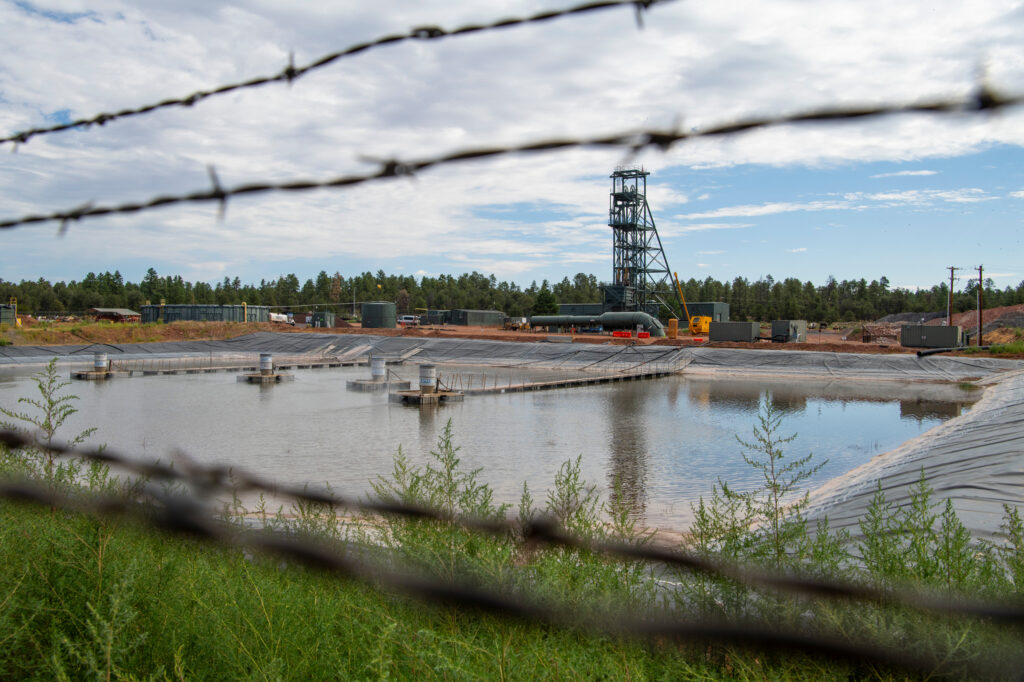
Three of the four wells in the Grand Canyon region that show average arsenic levels above the Environmental Protection Agency’s safe‑drinking limit are located at the controversial Canyon uranium mine, a new analysis by the nonprofit Grand Canyon Trust shows. The study, released Tuesday, examined groundwater samples collected over the past five years and found arsenic concentrations ranging from 12 to 18 parts per billion in those wells, exceeding the EPA’s 10‑ppb standard for drinking water.
The finding matters because the mine sits upstream of the Colorado River, which supplies water to millions of people, farms, and Native American tribes downstream of the canyon. Arsenic is a known carcinogen that can cause skin lesions, heart disease, and cancers when ingested over long periods. The Canyon mine, operated by Energy Fuels, has been at the center of a decades‑long battle over its potential to pollute the fragile watershed. In 2020 the EPA required more rigorous groundwater monitoring after a settlement with the tribe of the Hualapai Nation, which argues the mine threatens their water rights and cultural sites.
The Grand Canyon Trust’s analysis used data from the U.S. Geological Survey, the Arizona Department of Environmental Quality, and the mine’s own reporting. Of the 1,200 samples taken, only three wells near the mine consistently breached the arsenic limit, while the fourth well, located farther downstream, stayed within safe levels. Tribal leaders called the results “a clear warning” and urged the EPA to tighten oversight. The mine’s operator said it follows all federal regulations and is conducting its own testing, but did not dispute the arsenic levels reported.
The agency now faces pressure to act before the next monitoring cycle due in 2027. Environmental groups are pushing for immediate remedial measures, including installing treatment systems and halting further drilling. The EPA has said it will review the data and consider revising its permit conditions for the mine. If the agency imposes stricter limits, the operator could be required to invest in costly cleanup or even suspend production, a move that would reshape the future of uranium mining in the Grand Canyon watershed.
Read Full Story at Inside Climate News →