International Union for Conservation of Nature warns of coral reef collapse by 2075
By 2075, 96% of the world's shallow coral reefs could collapse, jeopardizing marine life and the livelihoods of millions who depend on them. The International Union for Conservation of Nature urges i…
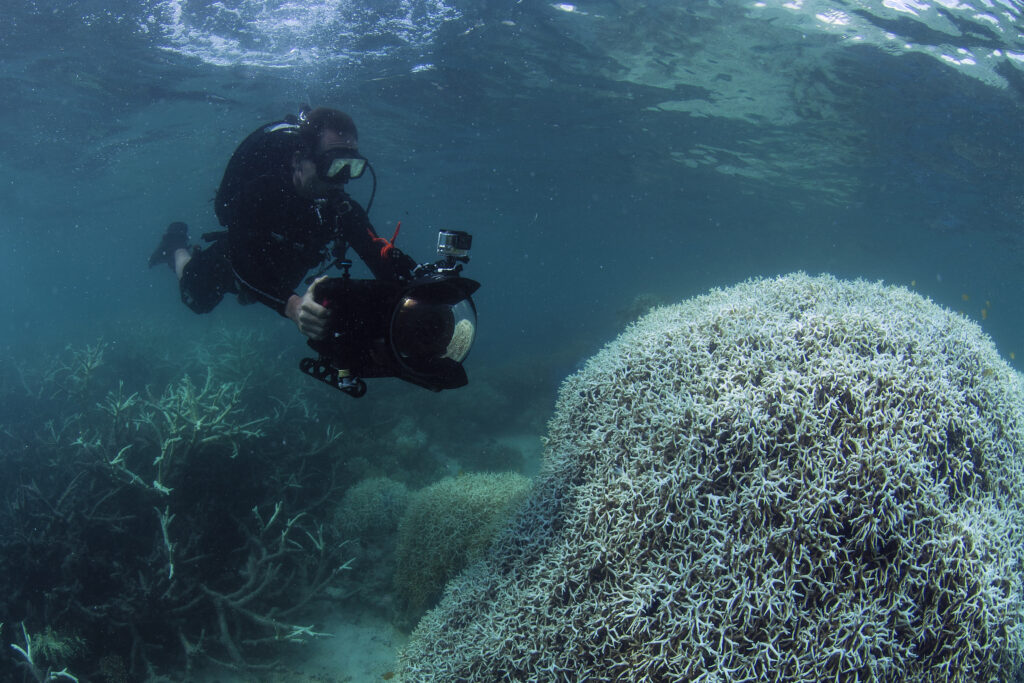
By 2075, the International Union for Conservation of Nature says 96 percent of the world’s 127 major shallow coral reefs could stop functioning as habitats and as a lifeline for the hundreds of millions of people who depend on them. The assessment, released this week, warns that most reefs will no longer support the fish, crustaceans and other marine life that form the base of coastal food webs, nor protect shorelines from storms and erosion.
The collapse is linked to a perfect storm of stressors that have intensified over the past two decades. Rising sea temperatures cause bleaching events that leave corals weak and vulnerable. Ocean acidification, driven by higher carbon dioxide levels, slows the growth of coral skeletons. At the same time, overfishing removes key species that keep algae in check, while runoff from agriculture and sewage fuels algal blooms that smother reefs. Together these pressures have pushed many reefs past a tipping point, and climate models show warming will continue unless global emissions fall sharply.
Scientists say the loss of reefs would hit food security, tourism and coastal economies hard. In Southeast Asia, reef fisheries provide protein for more than 200 million people; in the Caribbean, tourism revenue from reef diving and snorkeling accounts for a large share of national income. The United Nations estimates that coral reefs contribute roughly $375 billion each year to the global economy. Environmental groups are urging governments to scale up marine protected areas, invest in reef restoration and cut greenhouse‑gas emissions to keep warming below 1.5 °C.
The IUCN report calls for immediate action. It recommends expanding protected zones to cover at least 30 percent of reef habitats, enforcing stricter fishing limits and funding research into heat‑resilient coral strains. Nations that have pledged to the Paris Agreement must translate those pledges into faster decarbonisation to give reefs a chance. If policymakers act now, the trajectory can be altered; if not, the world may lose its most diverse marine ecosystems within a generation.
Read Full Story at Inside Climate News →