El Niño brings warmer spring, raises drought concerns in New Zealand, Australia
El Niño is expected to bring warmer spring temperatures and altered weather patterns to New Zealand and Australia, raising concerns about droughts, flooding, and extreme heat. This shift could disrup…

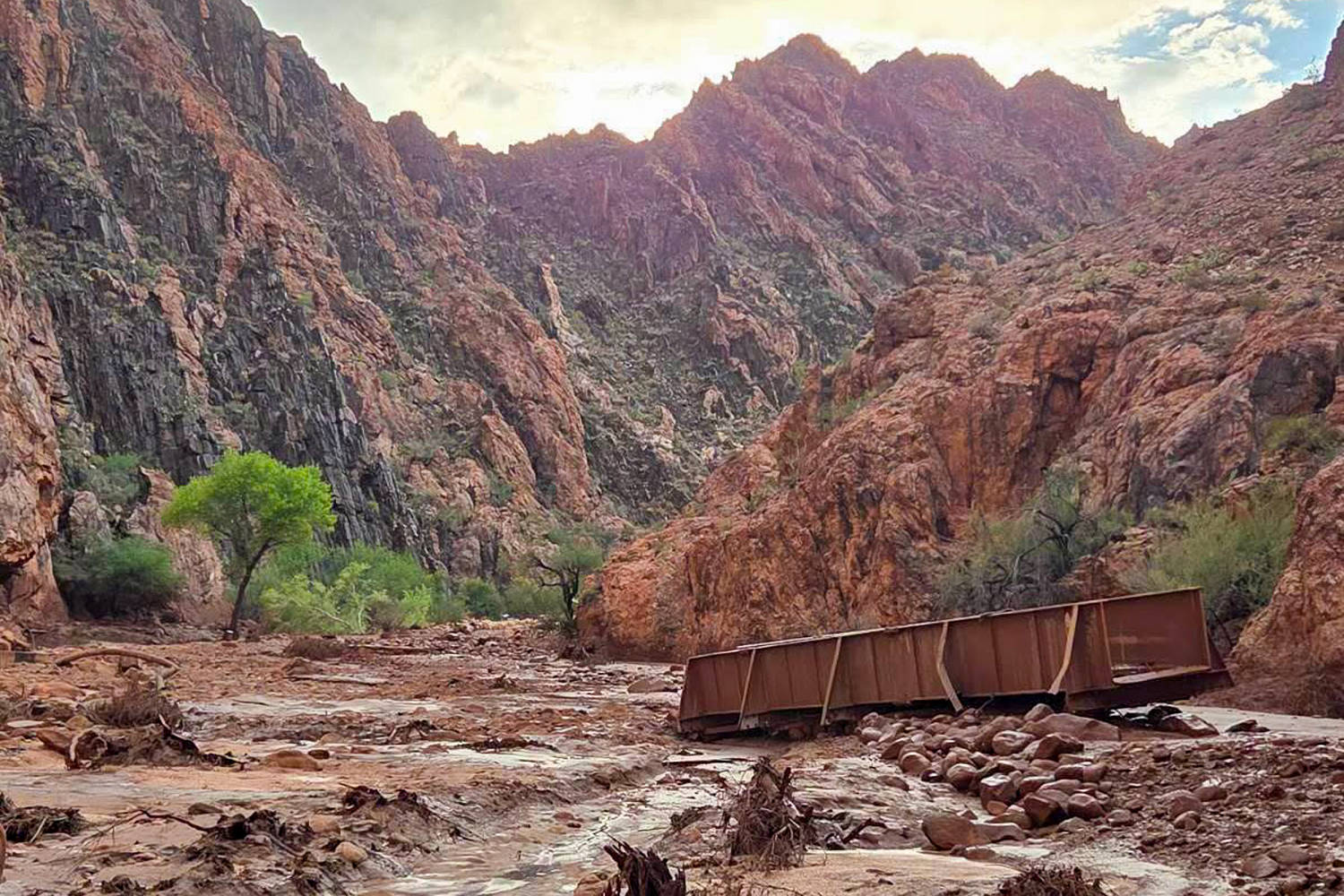
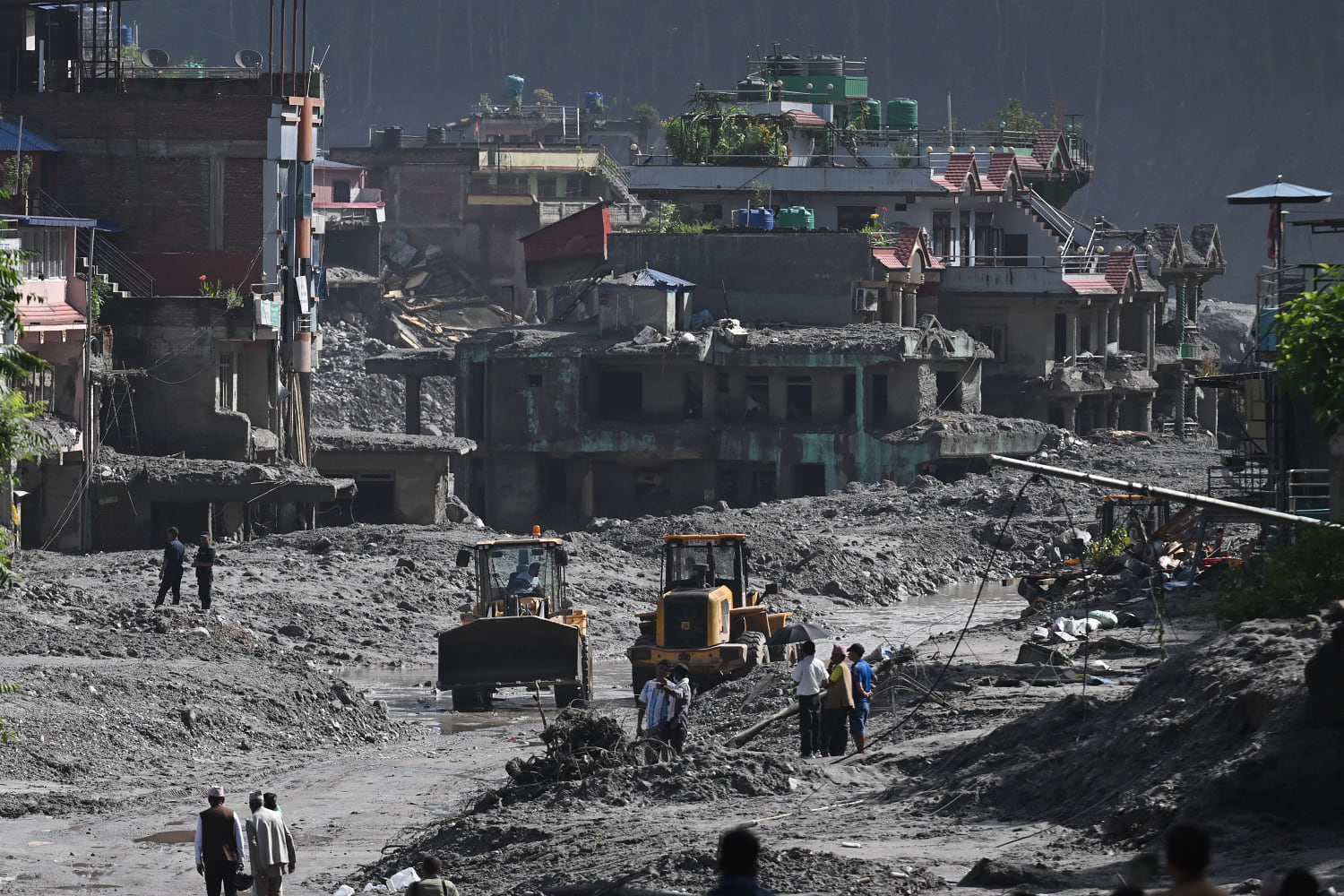
El Niño is set to significantly impact weather patterns in New Zealand and Australia, with the World Meteorological Organization (WMO) confirming that the climate phenomenon is firmly established and will intensify into a very strong event in the coming months. This development raises concerns over potential flooding, droughts, and extreme heat in both nations.
El Niño occurs when warm ocean waters in the central and eastern Pacific shift, affecting weather patterns globally. The current El Niño is particularly notable as it follows a series of La Niña events, which typically bring cooler and wetter conditions. The transition to El Niño represents a dramatic shift, with warmer spring temperatures expected across New Zealand and Australia. This shift is critical, as it can disrupt agricultural cycles, affect water resources, and pose challenges for communities reliant on stable weather for their livelihoods.
Meteorologists predict that the intensifying El Niño will lead to reduced rainfall in eastern Australia, heightening the risk of drought in agricultural regions already stressed by previous climate conditions. Conversely, areas in New Zealand may experience increased rainfall, potentially leading to flooding and landslides. The WMO's report indicates that these conditions could persist into early 2024, meaning that farmers, water managers, and emergency services will need to prepare for a range of weather-related challenges.
The long-term implications of a strong El Niño are significant. As climate change continues to alter global weather patterns, the effects of such events may become more pronounced. For New Zealand and Australia, adapting to these changes will require investment in infrastructure to manage water resources effectively, as well as strategies to mitigate the impacts of extreme weather events on communities and ecosystems.
Read Full Story at Phys.org →