Archaeologists reconstruct facial features of decapitated man in Scotland
Archaeologists have created a digital facial reconstruction of a decapitated man buried near a Roman fort in Scotland, dating back to the mid-2nd century AD. This find is significant as it provides i…
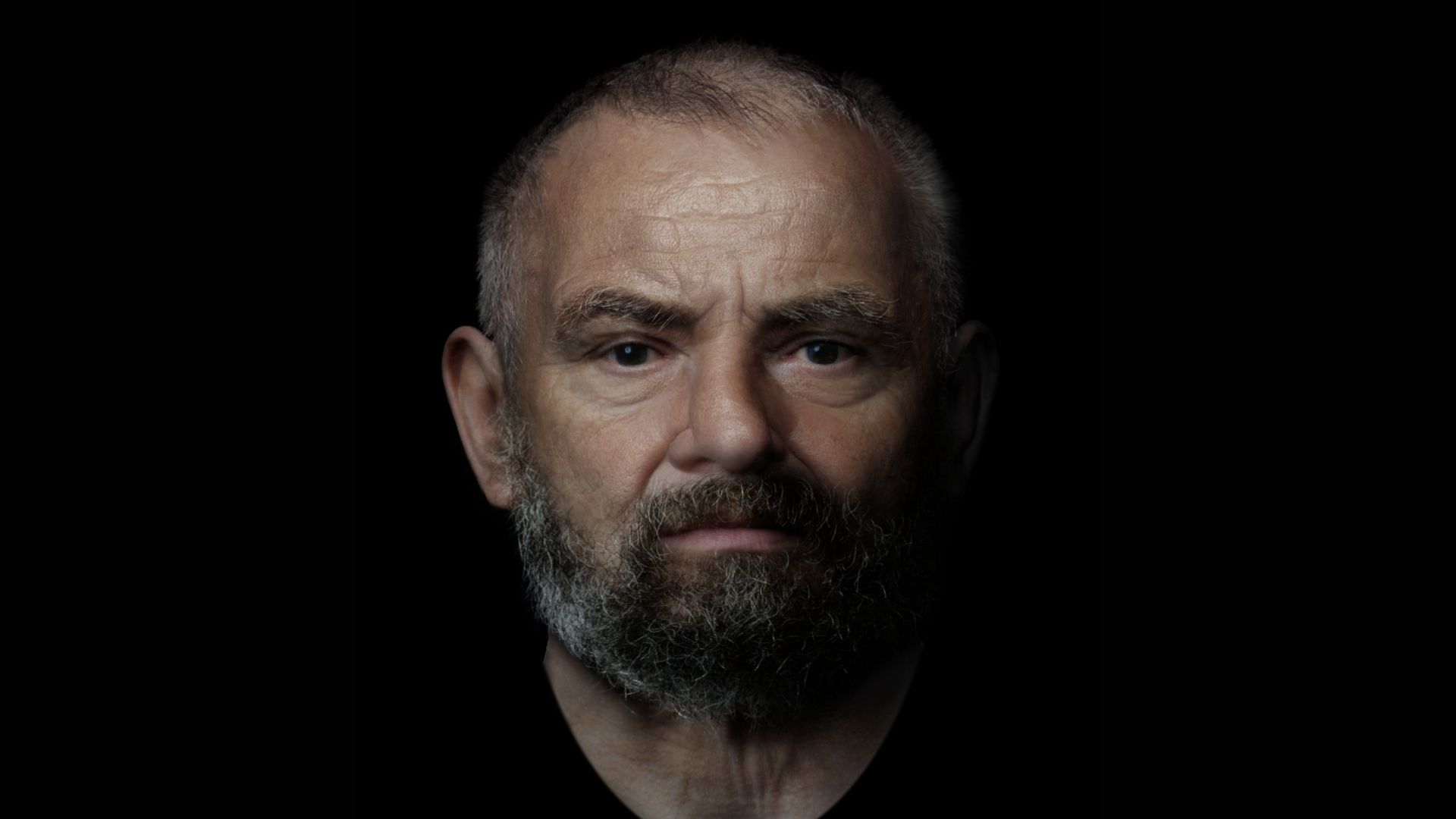
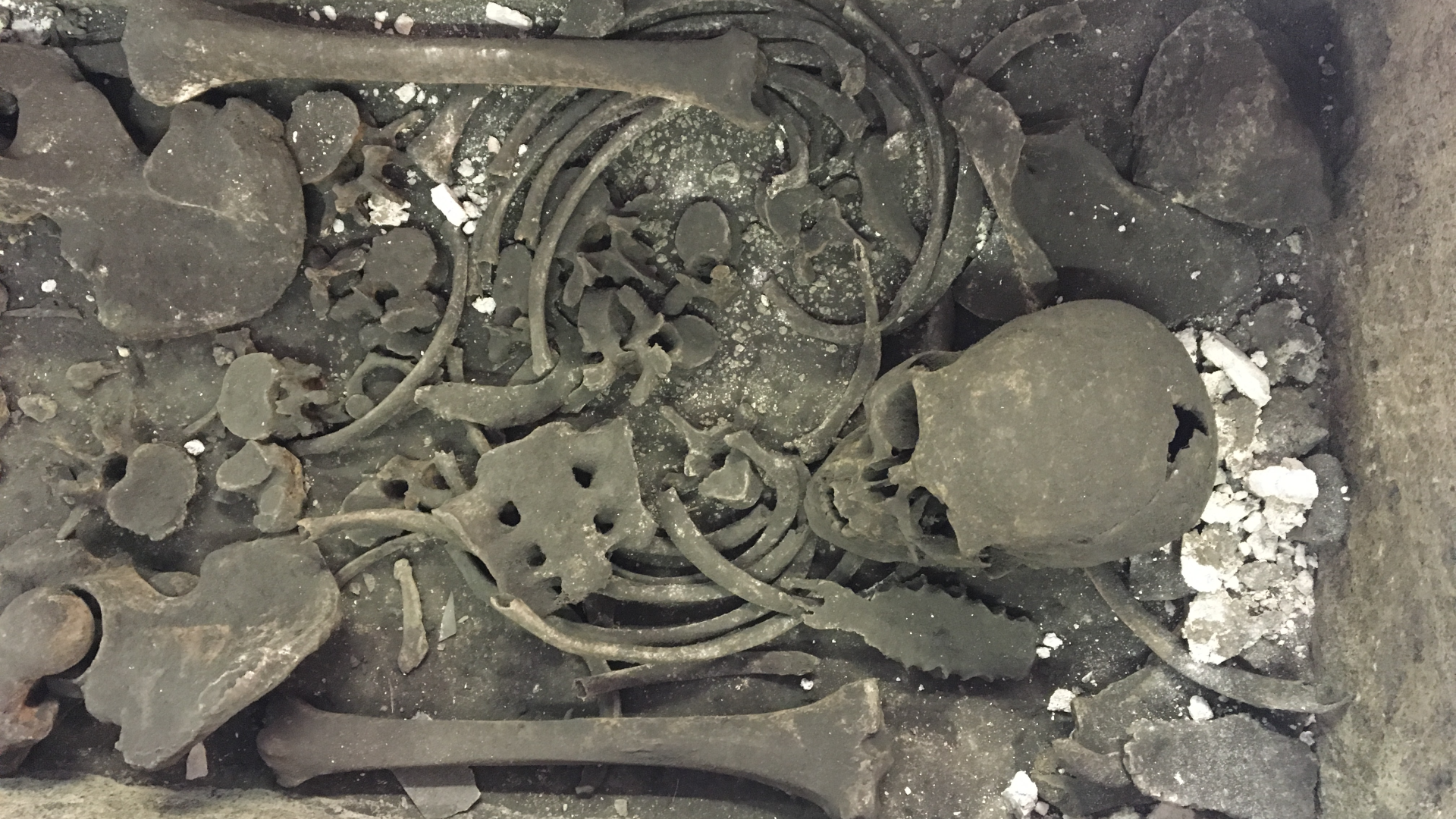
Archaeologists have unveiled a digital facial reconstruction of a decapitated man buried near a Roman fort in Scotland, dating to the mid‑2nd century AD. The virtual portrait, released by a team from the University of Glasgow and National Museums Scotland, gives a face to a set of bones discovered during a 2023 excavation at the fort of Carpow, near the River Clyde. The skeleton was found in a shallow pit beside the fort’s defensive ditch, its skull separated from the body and placed a short distance away.
The find matters because human remains from Roman‑occupied Scotland are rare, and the manner of burial hints at violent or ritual practices that are still debated by scholars. Roman troops pushed into southern Scotland in the 140s AD, building forts and the Antonine Wall to secure the frontier. The presence of a local male who was decapitated suggests either a punitive execution by the occupying army or a ceremonial rite linked to the frontier’s uneasy coexistence. Such evidence helps fill gaps in our understanding of how Romans interacted with indigenous communities and how power was enforced on the edge of the empire.
The reconstruction was created by scanning the skull with high‑resolution CT and using software to model soft tissue, muscle and skin based on comparative data from ancient and modern populations. The resulting 3‑D image shows a man in his early thirties with a broad nose, short dark hair and a weathered complexion, likely reflecting the harsh climate of northern Britain. Researchers said the face “humanises” a person who would otherwise remain anonymous, and the image has already been shared on social media, drawing public fascination and prompting discussions about the lives of ordinary people on Rome’s northern frontier.
The team plans to extract DNA from the teeth to determine the man’s ancestry and to run isotopic tests that could reveal where he grew up and what he ate. Findings will be added to a forthcoming exhibition at the National Museum of Scotland, where the virtual portrait will be displayed alongside the original bones. By linking science, history and visual storytelling, the project aims to deepen public appreciation of Scotland’s Roman past and the complex human stories hidden beneath it.
Read Full Story at Live Science →