Astronomers identify Scorpius in van Gogh's The Starry Night, revise date.
Astronomers have identified the constellation Scorpius in van Gogh’s The Starry Night, altering the painting's creation date to June 1, 1889, rather than June 30. This finding prompts a reevaluation …
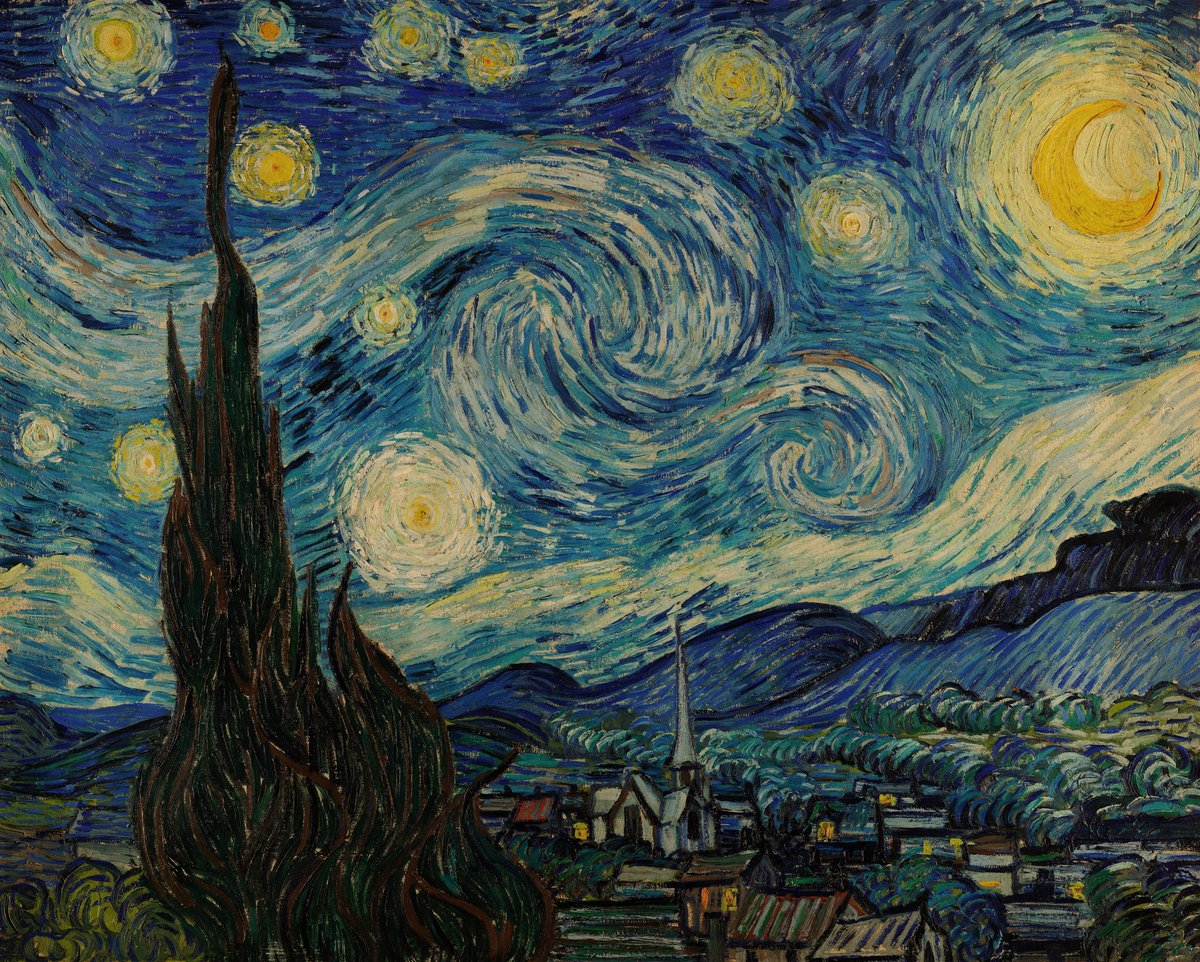
Astronomers have identified a misidentified constellation in Vincent van Gogh’s 1889 masterpiece The Starry Night, a discovery that could shift the painting’s creation date by weeks. Using high‑resolution imaging and planetarium software, a team from the University of Arizona concluded that the cluster of stars in the upper right of the canvas matches the constellation Scorpius as it appeared on June 1, 1889, rather than the previously assumed Sagittarius on June 30, 1889. The finding suggests van Gogh may have painted the scene earlier in his stay at the Saint‑Rémy asylum than scholars have long believed.
The new analysis builds on decades of debate about how accurately van Gogh rendered the night sky. Earlier studies linked the painting to a specific night when the moon, Venus, and the constellations aligned, supporting the view that the artist worked from direct observation. However, art historians have also noted van Gogh’s tendency to blend imagination with reality, making definitive astronomical dating difficult. The research team re‑examined the star field with modern digital tools, correcting for lens distortion and the artist’s perspective, and found that the bright star cluster aligns more closely with Scorpius’s position a month earlier in the year. Lead researcher Dr. Elena Martinez said the correction “removes a long‑standing inconsistency between the visual evidence and the known weather conditions in Saint‑Rémy at the end of June.”
The revision has sparked interest among both scientists and art scholars. Museum curators are reviewing exhibition labels to reflect the updated timeline, and the Van Gogh Museum in Amsterdam plans to incorporate the new findings into its digital guide. Some historians caution that a shift of a few weeks may not dramatically alter interpretations of van Gogh’s mental state or artistic intent, but they agree the study underscores the value of interdisciplinary work. “It shows how precise astronomical data can inform our understanding of cultural artifacts,” noted art historian Prof. James Liu.
The team will publish a detailed paper in the journal Nature Astronomy later this month and hopes to apply the same methodology to other works that feature night skies. If the approach proves reliable, it could open a new avenue for dating paintings, maps, and manuscripts that contain celestial references. For now, van Gogh’s swirling heavens have gained a fresh layer of scientific credibility, reminding us that art and science often illuminate each other.
Read Full Story at Scientific American →