Will the Houthi attacks activate the Mecca Pact?
Yemen’s Houthi rebels have captured Mocha port and now threaten to control the main waterway of the Bab al-Mandeb strait. They have also attacked several cities in Saudi Arabia, wounding about 70 peo…

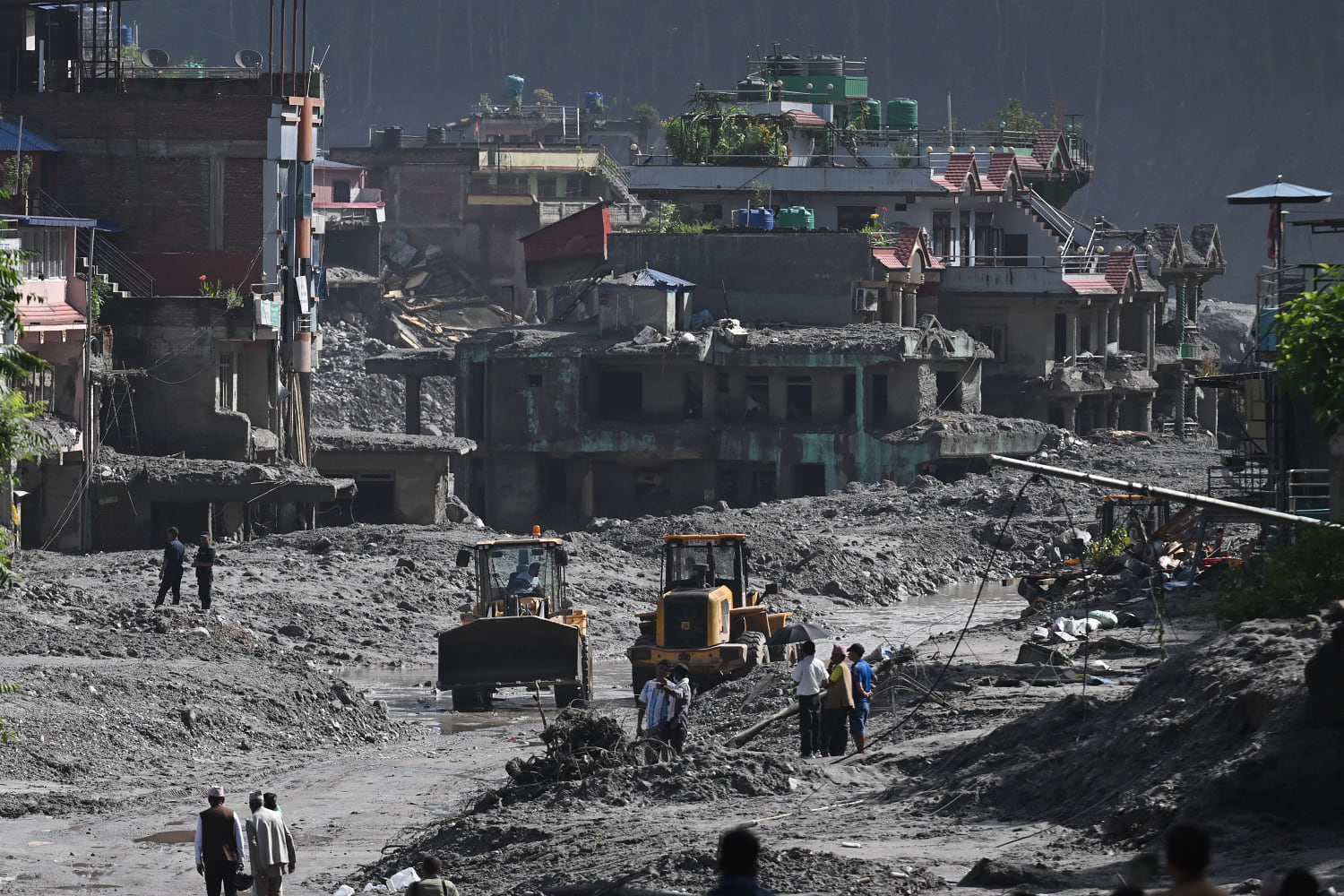
Yemen’s Houthi rebels have captured Mocha port and now threaten to control the main waterway of the Bab al-Mandeb strait. They have also attacked several cities in Saudi Arabia, wounding about 70 people, including women and children.
The repeated attacks against Saudi energy, civil, and defence facilities, combined with the maritime blockage by Iran and its Yemeni partner the Houthis, directly raise the question of the Mecca Pact’s operationalisation between Saudi Arabia, Turkiye, and Pakistan.
The Houthi attacks on Saudi Arabia can activate the mutual defence agreement. If that happens, what could a Pakistani and Turkish intervention look like?
The answer to this question necessitates some crucial background first.
The US – the main security partner of the Gulf states – has signalled for a while now that it expects regional countries to take primary responsibility for their own defence and deterrence, with US help remaining critical but limited.
That posture is already visible on the ground. Since the start of the US-Israel war on Iran, the US has not been able to provide comprehensive defence for its regional partners. On several occasions, it has even failed to stop attacks on its own bases in the Gulf.
With US presence receding and Washington emphasising regional burden-sharing, Gulf states have had to look into a new defence architecture. In September 2025, Saudi Arabia and Pakistan signed their first mutual defence agreement, which expanded in August this year to include Turkiye and became the Mecca Joint Defence Agreement.
The three countries have since established a joint secretariat, with its headquarters in Riyadh, with Pakistan taking the chairmanship for an initial three-year term.
Read Full Story at Al Jazeera →