These tiny soil microbes could rescue crops from salty farmland
Researchers have discovered that beneficial soil bacteria give plants an unexpected survival advantage in salty soils. Instead of helping plants keep salt out, the microbes stimulate the production of
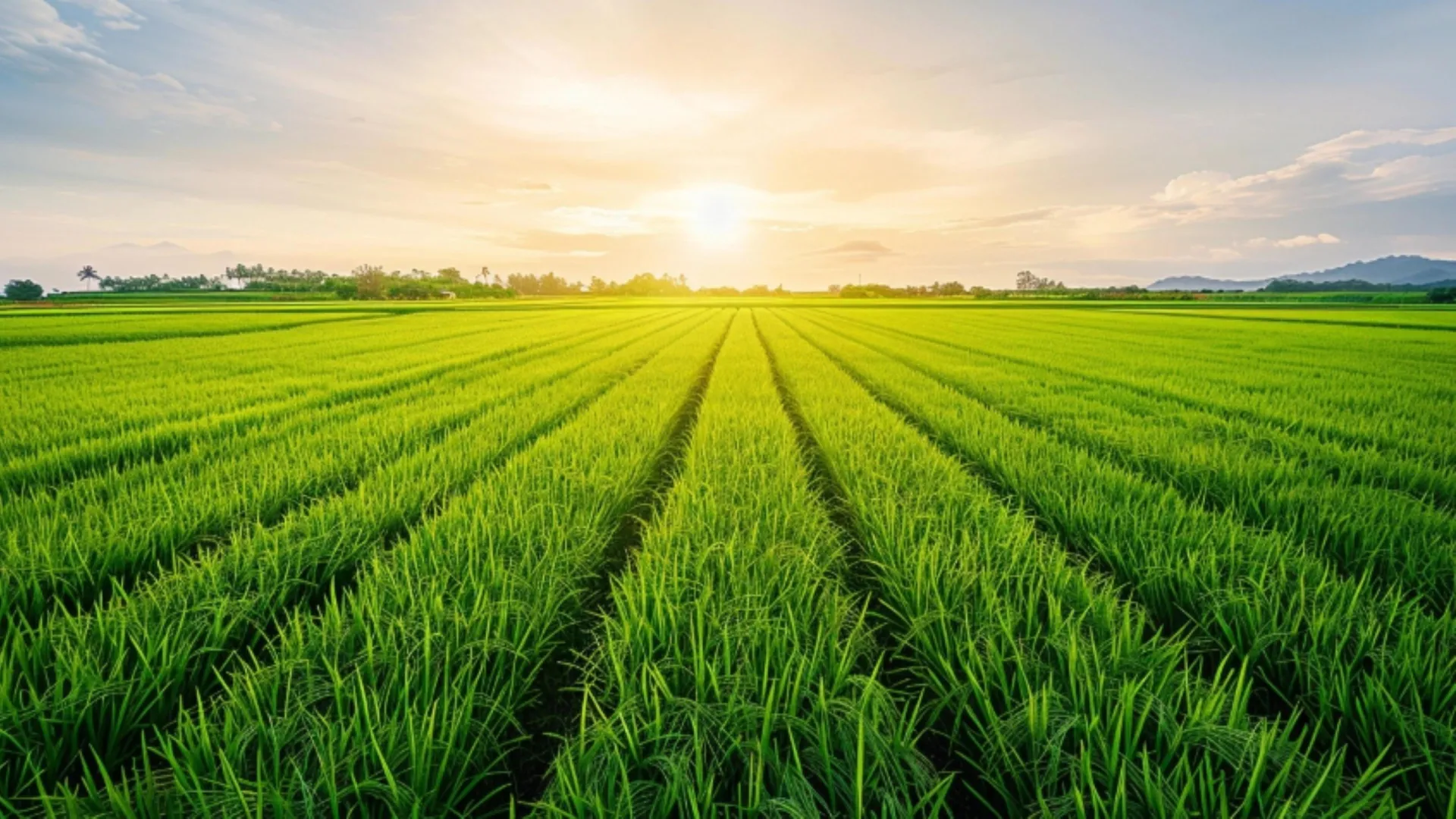
Researchers have discovered that beneficial soil bacteria give plants an unexpected survival advantage in salty soils. Instead of helping plants keep
Read Full Story at ScienceDaily →Why This Matters
Salinization is silently crippling global agriculture, reducing yields on over a third of irrigated land. This discovery shifts the paradigm from fighting salt entry into plants to harnessing microbes that actively rewire plant metabolism—a biological workaround that could preserve food security in an era of climate-driven soil degradation.
Background Context
For decades, agricultural research has focused on salt-exclusion mechanisms, with limited success in saline-prone regions like India’s Punjab or California’s Central Valley. Meanwhile, plant growth-promoting rhizobacteria (PGPR) have been studied for drought resistance and nutrient uptake, but their role in salinity adaptation remained largely unexplored until recent omics-driven breakthroughs.
What Happens Next
Field trials will determine whether these microbes can be scaled for commercial use, with early adopters likely to be salt-stressed farms in the Middle East or North Africa. Regulatory hurdles may slow biostimulant approvals, while patent battles could emerge between agribusiness giants and public research institutions over microbial strains.
Bigger Picture
This aligns with a broader shift toward "living soil" solutions, where microbial consortia replace chemical inputs. As climate change intensifies land degradation, such discoveries could redefine sustainable agriculture—though their success hinges on overcoming the economic barriers that have historically limited microbial innovation outside industrialized farming.



