The US Supreme Court restricts use of geofence warrants
The US Supreme Court just issued a ruling that limits geofence searches by law enforcement agencies, which could have major ramifications for privacy rights across the country. For the uninitiated, th
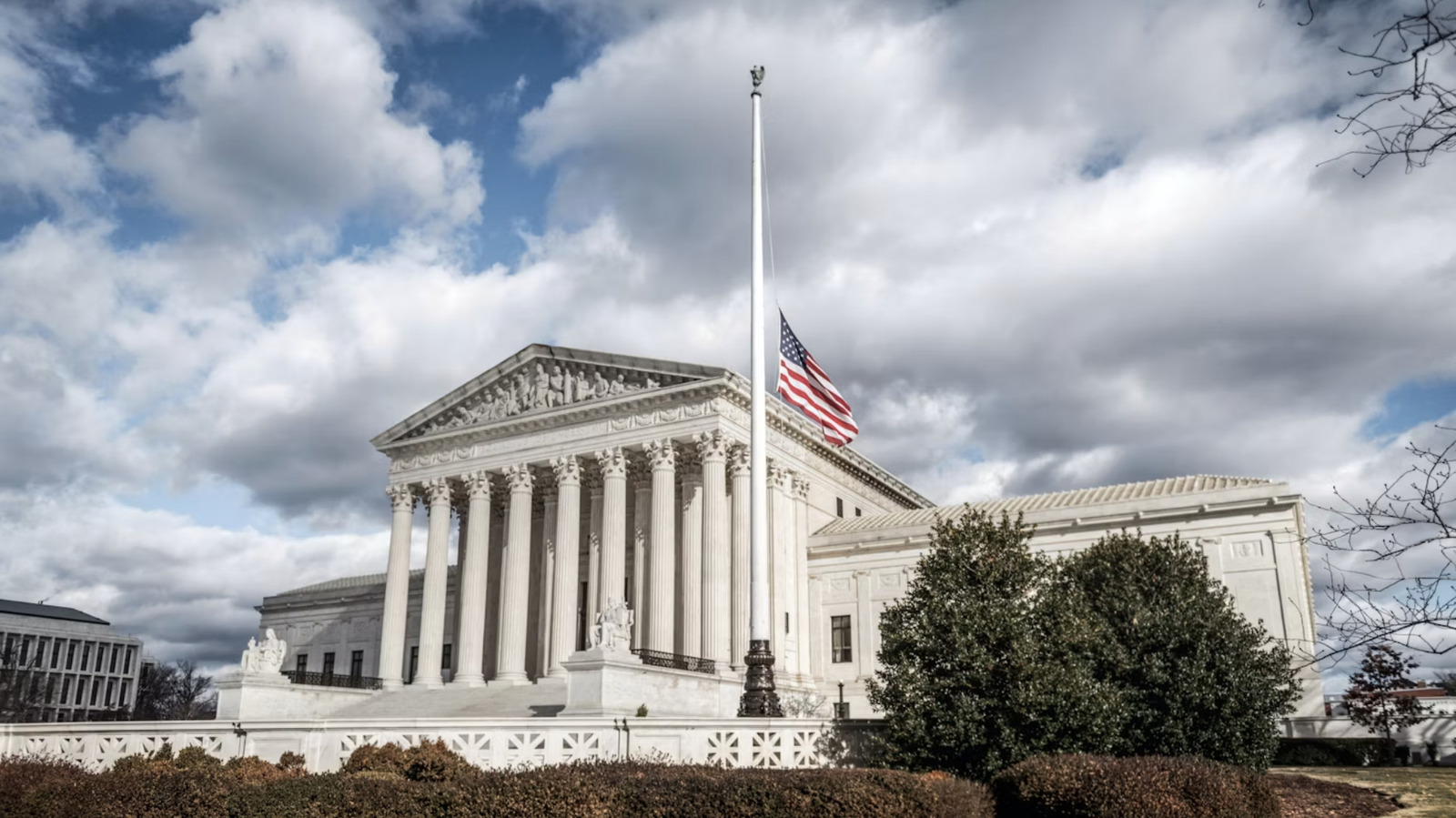
The US Supreme Court just issued a ruling that limits geofence searches by law enforcement agencies, which could have major ramifications for privacy
Read Full Story at Engadget →Why This Matters
The Supreme Court’s decision marks a rare victory for digital privacy rights in an era where law enforcement increasingly relies on expansive surveillance tools. By restricting geofence warrants—searches that sweep up location data for entire neighborhoods—it signals a potential shift toward judicial skepticism of dragnet-style investigative tactics. The ruling could embolden tech companies and civil liberties groups to challenge similar overreach in other surveillance domains.
Background Context
Geofence warrants, first adopted widely around 2016, emerged as a loophole in Fourth Amendment protections, allowing police to request location data from apps like Google Maps without naming specific suspects. Courts have struggled to balance investigative efficiency against privacy expectations, with some jurisdictions rubber-stamping these requests while others grew alarmed by their indiscriminate nature. The practice has disproportionately affected marginalized communities, where geofence data can paint broad, invasive portraits of daily life.
What Happens Next
Law enforcement agencies may pivot to narrower warrants or seek legislative fixes to preserve access to bulk location data. Tech giants like Google, which are often caught between government demands and user trust, could face renewed pressure to encrypt location metadata by default. Meanwhile, civil rights organizations will likely double down on pushing for stronger statutory limits on geofence and reverse-location searches in statehouses and Congress.
Bigger Picture
This ruling fits a broader pattern of courts and legislatures—from the Supreme Court’s Carpenter decision to state-level privacy laws—pushing back against the unchecked expansion of surveillance capitalism’s tools. Yet the battle over geofence warrants also reflects a deeper tension: whether privacy protections can keep pace with the granular, always-on data collection that defines modern life. The outcome may hinge on whether Congress or the courts ultimately set the rules for the digital age.