Sudan's RSF committed crimes against humanity in el-Fasher, Amnesty says
Sudanese paramilitaries committed crimes against humanity and ethnic cleansing during their campaign to seize the city of el-Fasher last year, a rights group report says. The siege and takeover of the
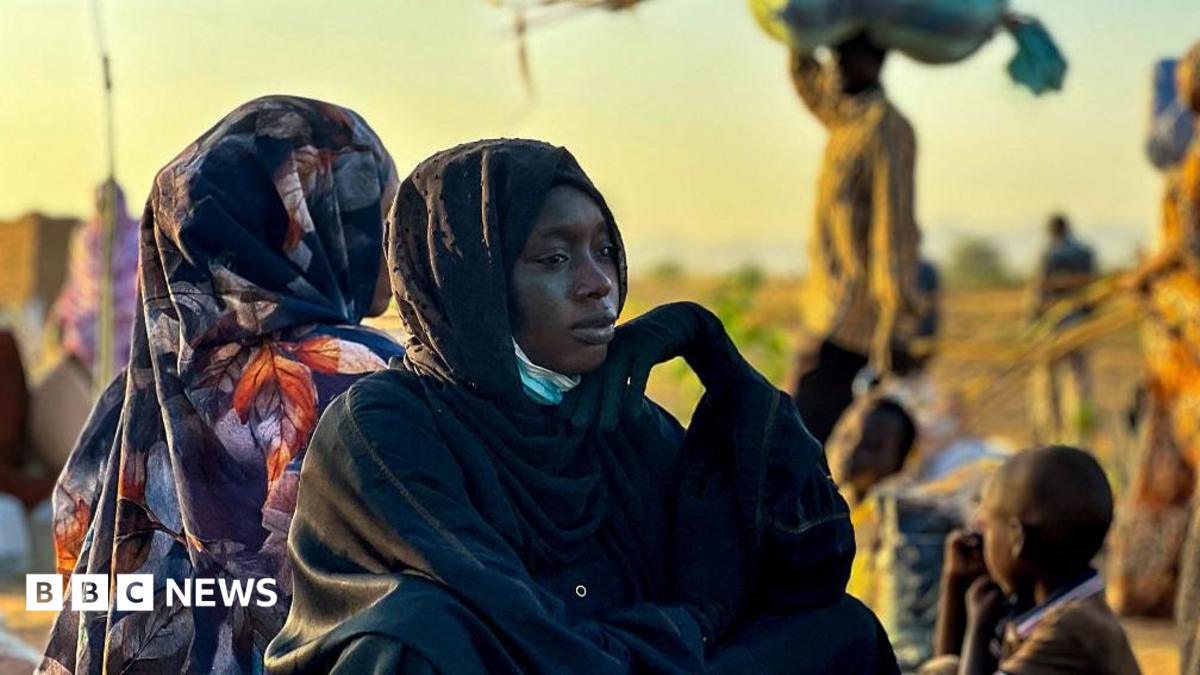
Sudanese paramilitaries committed crimes against humanity and ethnic cleansing during their campaign to seize the city of el-Fasher last year, a right
Read Full Story at BBC World News →Why This Matters
The allegations of crimes against humanity and ethnic cleansing in el-Fasher underscore the escalating brutality of Sudan's civil war, which has devolved into a fragmented conflict with regional and international implications. Beyond the immediate humanitarian crisis, this case may set a precedent for accountability in a conflict where impunity has long prevailed, potentially influencing future prosecutions under international law.
Background Context
The Rapid Support Forces (RSF), a paramilitary group that emerged from the Janjaweed militias of Darfur's genocide era, have expanded their influence through a brutal campaign of territorial conquest. El-Fasher, the last major city in Darfur under government control, became a strategic prize in a conflict fueled by competition over resources, power, and regional alliances.
What Happens Next
The international community's response will be critical in determining whether these allegations lead to concrete action, such as sanctions or ICC referrals. Meanwhile, the RSF's consolidation of power in Darfur could reshape the war's dynamics, potentially forcing a negotiated settlement—or entrenching further violence as other factions regroup.
Bigger Picture
This episode reflects a troubling global pattern where non-state armed groups operate with near-total impunity, exploiting weak governance and international inaction. The Sudan conflict also highlights how proxy rivalries—between regional powers and global powers—have exacerbated local wars, complicating peacemaking efforts.








