Polish PM pledges memorial to victims of WW2 'genocide' by Ukrainian nationalists
Polish Prime Minister Donald Tusk has announced the creation of a national memorial to the victims of a "genocide committed by Ukrainian nationalists" during World War Two. Tusk was speaking on the a
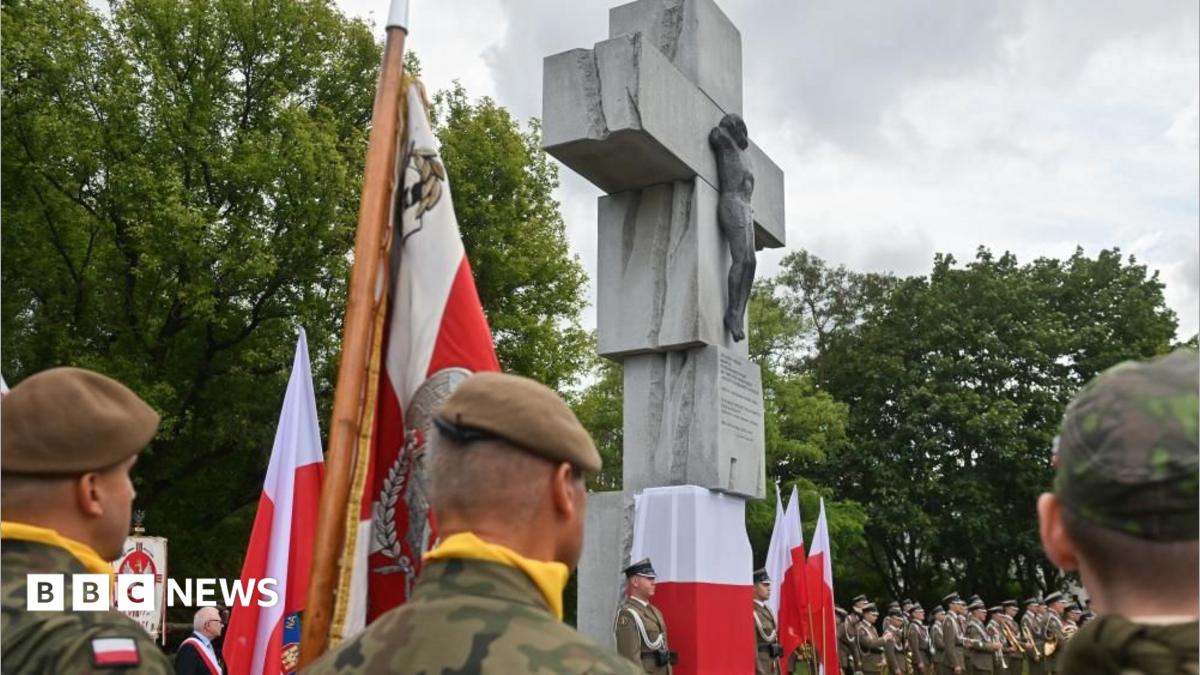
Polish Prime Minister Donald Tusk has announced the creation of a national memorial to the victims of a "genocide committed by Ukrainian nationalists"
Read Full Story at BBC World News →Why This Matters
This pledge underscores Poland's evolving historical reckoning with wartime atrocities, reflecting a broader trend of Eastern European nations confronting uncomfortable legacies while navigating modern geopolitical tensions. The move could reshape regional memory politics, particularly as Ukraine and Poland grapple with divergent narratives of the same historical events amid Russia's ongoing war of aggression.
Background Context
The Volhynia massacres of 1943–44, where Ukrainian nationalist groups killed tens of thousands of ethnic Poles, remain one of the most contentious episodes in Polish-Ukrainian relations. While Poland has long commemorated these victims, the framing of the events as a "genocide" has been a point of contention, with Ukrainian historians often emphasizing the broader context of wartime violence and collaboration.
What Happens Next
The memorial's design and location will likely spark debate over historical interpretation and national identity, with potential diplomatic ripple effects given Poland's role in supporting Ukraine against Russia. Observers will watch whether the announcement signals a hardening of Poland's historical stance or a calculated move to align domestic narratives with broader European memory frameworks.
Bigger Picture
This development mirrors a wider pattern across Central and Eastern Europe, where governments are reinterpreting wartime history to serve contemporary political agendas, often at the expense of nuanced historical consensus. As EU cohesion weakens over values-based disputes, such memorials risk becoming tools in larger strategic competitions, rather than purely historical commemorations.