Pastor freed from prison in China weeks after Trump requested his release
Pastor Ezra Jin Mingri was released from Chinese detention after President Trump intervened with President Xi. This rare diplomatic success highlights the impact of high-level pressure on human rights
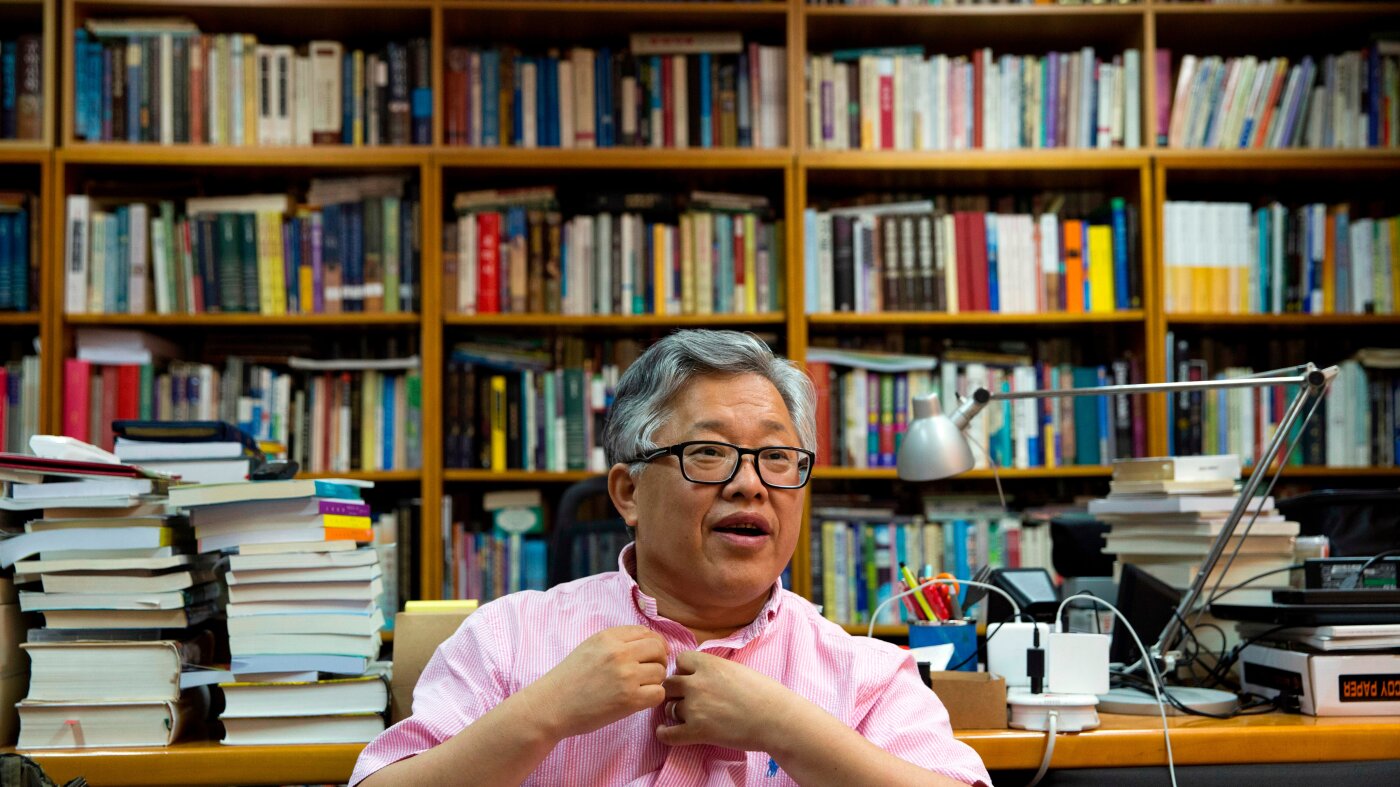
Pastor Ezra Jin Mingri has been released from detention in China and has arrived in Los Angeles, reuniting with his family less than two months after
Read Full Story at NPR News →Why This Matters
This release underlines the unpredictable leverage of high-stakes diplomacy in human rights cases, where national interests can override ideological barriers. It also signals that even in an era of strained U.S.-China relations, targeted intervention at the presidential level can yield tangible outcomes—albeit in rare, high-profile instances. The case raises questions about whether such successes are sustainable or merely symbolic gestures in an otherwise deteriorating rights landscape.
Background Context
The detention of Pastor Ezra Jin and others like him reflects China’s broader crackdown on unofficial religious groups outside state-sanctioned institutions, particularly in regions perceived as politically sensitive. Diplomatic channels have historically yielded uneven results, with foreign governments often prioritizing economic or security issues over individual freedoms. This case also comes amid broader scrutiny of China’s treatment of religious minorities, including Uyghur Muslims and Falun Gong practitioners.
What Happens Next
Observers will closely monitor whether Jin’s release prompts a ripple effect for other detained clergy or if it remains an isolated concession. Beijing may use this case to deflect criticism by framing it as evidence of its benevolence, while rights advocates will likely push for further transparency. The timing—amid a U.S. presidential transition—could also test the new administration’s willingness to pursue similar interventions.
Bigger Picture
This episode fits a pattern where authoritarian states occasionally yield to external pressure when the cost of defiance outweighs the benefits, often during periods of geopolitical tension. Such cases underscore the fragility of human rights protections in cross-border negotiations, where moral imperatives frequently clash with strategic calculations. It may also embolden other governments to attempt similar high-level interventions, even as systemic abuses continue unchecked.







