Lake Powell drops 30 feet, prompting emergency water management measures
Lake Powell has reached a record low, dropping over 30 feet due to a dry winter and climate change, prompting federal officials to implement emergency measures to manage the water supply for over 40 …
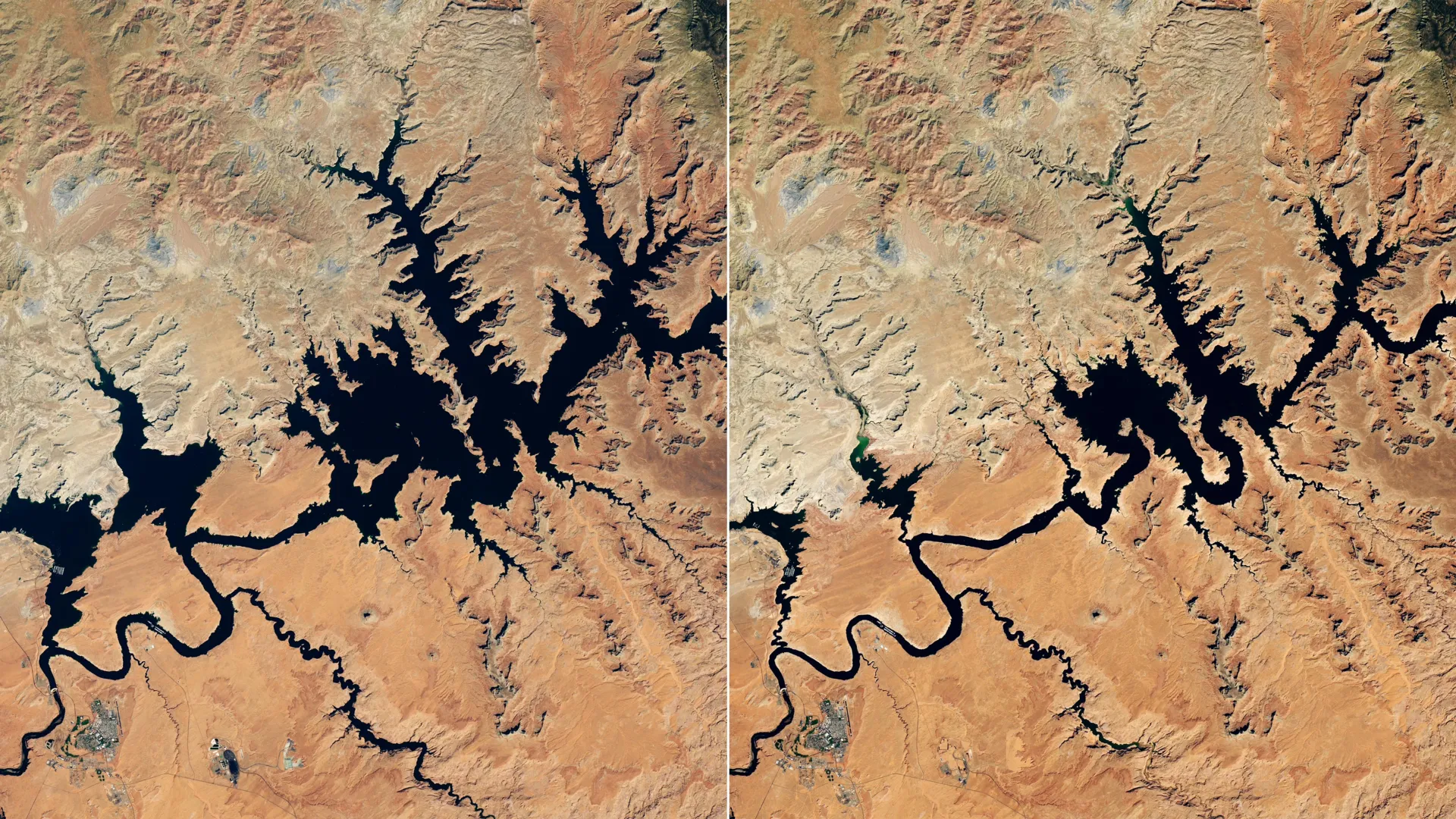
Lake Powell has fallen to its lowest level on record after an unusually dry and warm winter left the Colorado River Basin with little mountain snow to melt, and Lake Mead has hit a similar historic low, prompting federal officials to take emergency steps to keep the system afloat. The water agency has already moved water from another reservoir into Powell and cut releases downstream in an effort to stave off a crisis that could affect more than 40 million people who rely on the river for drinking water and electricity.
The double blow to the two biggest reservoirs comes after years of drought that have been amplified by climate change. Snowpack in the Rockies, the main source of the Colorado River’s flow, was well below average last season, and higher temperatures caused what fell to melt faster, leaving less water to fill the lakes. Agricultural demand, growing cities and a legacy of overallocation have also strained the system. The situation is not new, but the combination of a record‑low snowpack and a warm winter has pushed the water levels past the point where normal operations can continue.
Lake Powell now sits at just over 3,500 feet above sea level, a drop of more than 30 feet from its previous record low. Lake Mead’s level is similarly precarious, hovering near the “dead pool” threshold that would end its ability to generate hydroelectric power. The U.S. Bureau of Reclamation says the emergency water transfer will add roughly 200,000 acre‑feet to Powell, enough for only a few weeks of relief. State officials in Arizona, Nevada and Utah have voiced alarm and called for a coordinated water‑use plan. Federal water managers are preparing a longer‑term strategy that could include stricter conservation rules, revised water‑rights agreements and new infrastructure to capture runoff. The next few months will determine whether the emergency measures can buy time for a more sustainable solution to a river system that is essential to the Southwest’s economy and way of life.
Read Full Story at ScienceDaily →