Nigerian military frees 45 abducted teachers, students in July 10 raid
Nigeria’s military freed 45 abducted teachers and students on July 10 after a coordinated operation, but kidnappings by armed gangs in northwest Nigeria continue, disrupting education and forcing scho
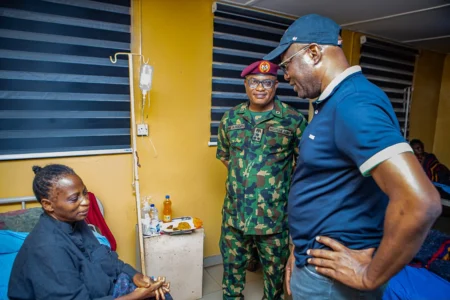
Nigeria’s military earned rare praise on Friday after it freed 45 teachers and students who had been held hostage for nearly two months. The rescue on
Read Full Story at Crux Now →Why This Matters
The rescue of 45 abductees by Nigeria’s military marks a rare tactical success in a protracted security crisis, offering a fleeting moment of relief amid the country’s kidnapping epidemic. It underscores the federal government’s fragile legitimacy in tackling non-state armed groups, where sustained counterinsurgency efforts often yield mixed results. For the victims—teachers and students—this operation is a lifeline, but it also highlights the precarious state of education in regions where armed gangs hold sway over local economies.
Background Context
Nigeria’s northwest has grappled with kidnapping-for-ransom syndicates for over a decade, evolving from isolated banditry to a quasi-organized industry that funds insurgent movements. The abduction of students and educators has become a lucrative strategy, with ransom demands stretching into millions of naira, exacerbating poverty in rural communities. While the military’s intervention signals operational capability, it contrasts sharply with the slow-paced, often underfunded civil governance in affected states, where state governors have struggled to implement long-term security or social interventions.
What Happens Next
The military’s success could embolden further operations, but the persistent kidnapping crisis suggests that tactical victories alone won’t dismantle the underlying networks. Observers will scrutinize whether this rescue leads to improved intelligence-sharing with local communities or if it remains an isolated incident amid broader systemic failures. Meanwhile, the pressure on state governments to negotiate with armed groups—either directly or through intermediaries—risks normalizing kidnapping as a bargaining tool, further destabilizing the region.
Bigger Picture
This incident reflects a troubling regional pattern, where weak state control and economic desperation enable armed non-state actors to thrive across West Africa’s Sahel belt. Nigeria’s struggle mirrors challenges in neighboring Niger and Burkina Faso, where similar tactics by jihadist and bandit groups have displaced millions. The militarization of security responses, while necessary, often overlooks the socio-economic roots of insurgency, leaving communities vulnerable to cyclical violence and displacement.