NASA's X-59 "frankenjet" tests supersonic flight without the sonic boom
NASA’s quiet supersonic flight tests could eventually go on a national tour.
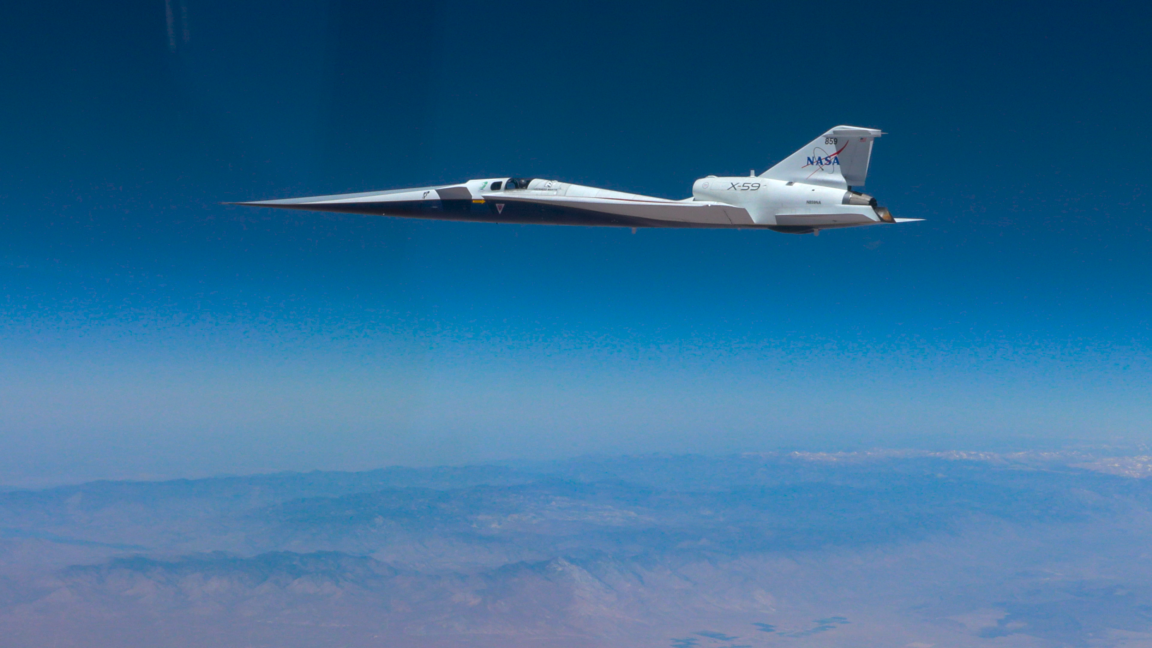
NASA’s quiet supersonic flight tests could eventually go on a national tour.
Read Full Story at Ars Technica →Why This Matters
The X-59's ability to mitigate sonic booms could redefine commercial aviation, unlocking transcontinental supersonic travel that has been off-limits since the Concorde's retirement. Beyond speed, this technology challenges decades of regulatory barriers, potentially reshaping how nations govern airspace and noise pollution in an era of growing demand for ultra-fast transport.
Background Context
Sonic booms from aircraft have been a public nuisance and regulatory hurdle since the dawn of supersonic flight, leading the FAA to ban overland flights in 1973. NASA's decades-long Low-Boom Flight Demonstration program builds on earlier attempts like the Boeing 2707 and the Concorde, but with a radical design aimed at scattering shockwaves rather than suppressing them entirely.
What Happens Next
If the X-59's tests prove successful, NASA plans to conduct community overflight studies to gauge public acceptance of quieter sonic thumps—a critical step before any regulatory changes. Meanwhile, aerospace firms like Boom Supersonic and startups in the emerging "quiet supersonic" market will be watching closely, as their business models hinge on whether governments relax airspace restrictions.
Bigger Picture
This breakthrough aligns with a broader resurgence in supersonic ambitions, fueled by private capital and advancements in aerodynamics and materials science. It also reflects a shift in aviation priorities, where noise reduction and sustainability are increasingly prioritized alongside speed and performance, mirroring trends in electric and hybrid aircraft development.