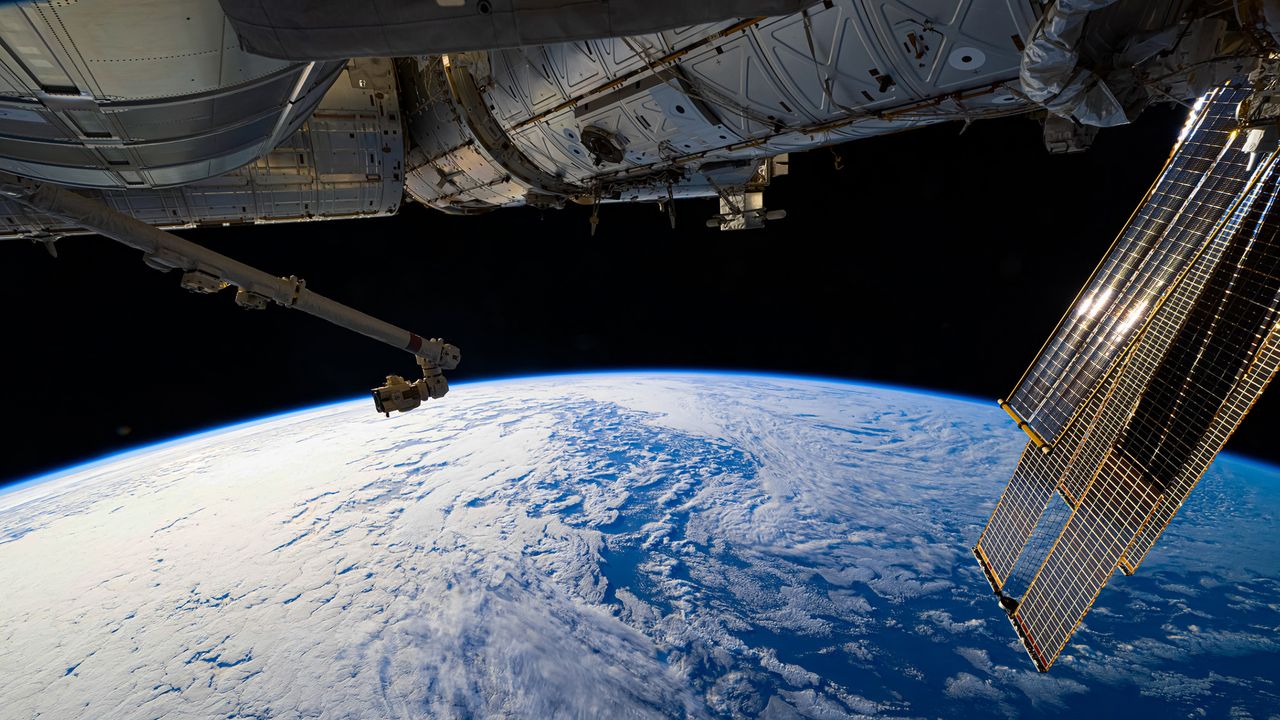
Artemis II Draws 149.4 Million Live Streams, Shattering NASA Record
NASA’s Artemis II mission drew 149.4 million live stream views, shattering agency records. This surge demonstrates that space exploration has become a mainstream cultural event, reflecting widespread

NASA’s Artemis II mission has shattered the agency’s own records for live streaming engagement, capturing the attention of a historic global audience.
Read Full Story at NASA →Why This Matters
The record-breaking viewership for Artemis II signals a pivotal shift in how space exploration is consumed by the public. It proves that space missions can now command the same digital engagement as major sporting events or entertainment releases, redefining what constitutes a "mainstream" audience for scientific endeavors. This democratization of access—enabled by streaming platforms—could reshape NASA’s communication strategies and long-term funding debates.
Background Context
NASA’s live streams have historically struggled to compete with entertainment and sports content, but Artemis II’s success reflects a broader trend of public fascination with human spaceflight since the Apollo era. The mission’s predecessor, Artemis I, set a then-record with 3.3 million concurrent viewers, but the leap to 149.4 million suggests a viral moment rather than incremental growth. This surge coincides with a post-pandemic boom in digital consumption and the rise of platforms like YouTube and Twitch as primary sources for live events.
What Happens Next
The next critical test will be whether Artemis III—planned to land the first woman and person of color on the Moon—can sustain or exceed this momentum, especially as competition for attention grows with major terrestrial events. NASA may increasingly lean into interactive streaming formats, such as real-time Q&As with astronauts or VR-enabled launches, to maintain engagement. Meanwhile, private space companies like SpaceX and Blue Origin will likely double down on their own streaming strategies to capitalize on this appetite for space content.
Bigger Picture
Artemis II’s viewership reflects a larger cultural shift where science and exploration are no longer niche interests but shared communal experiences. This mirrors the rise of citizen science initiatives and the viral appeal of phenomena like the James Webb Space Telescope’s first images. As space agencies and commercial ventures race toward Mars and beyond, the public’s role as both audience and stakeholder in space exploration is becoming more central—and more demanding.