NASA Seeks Industry Input to Accelerate Lunar Surface Technologies
Long-term lunar exploration requires technology, infrastructure, and operations that function together cohesively on the surface of the Moon. To accelerate the development of key lunar surface systems
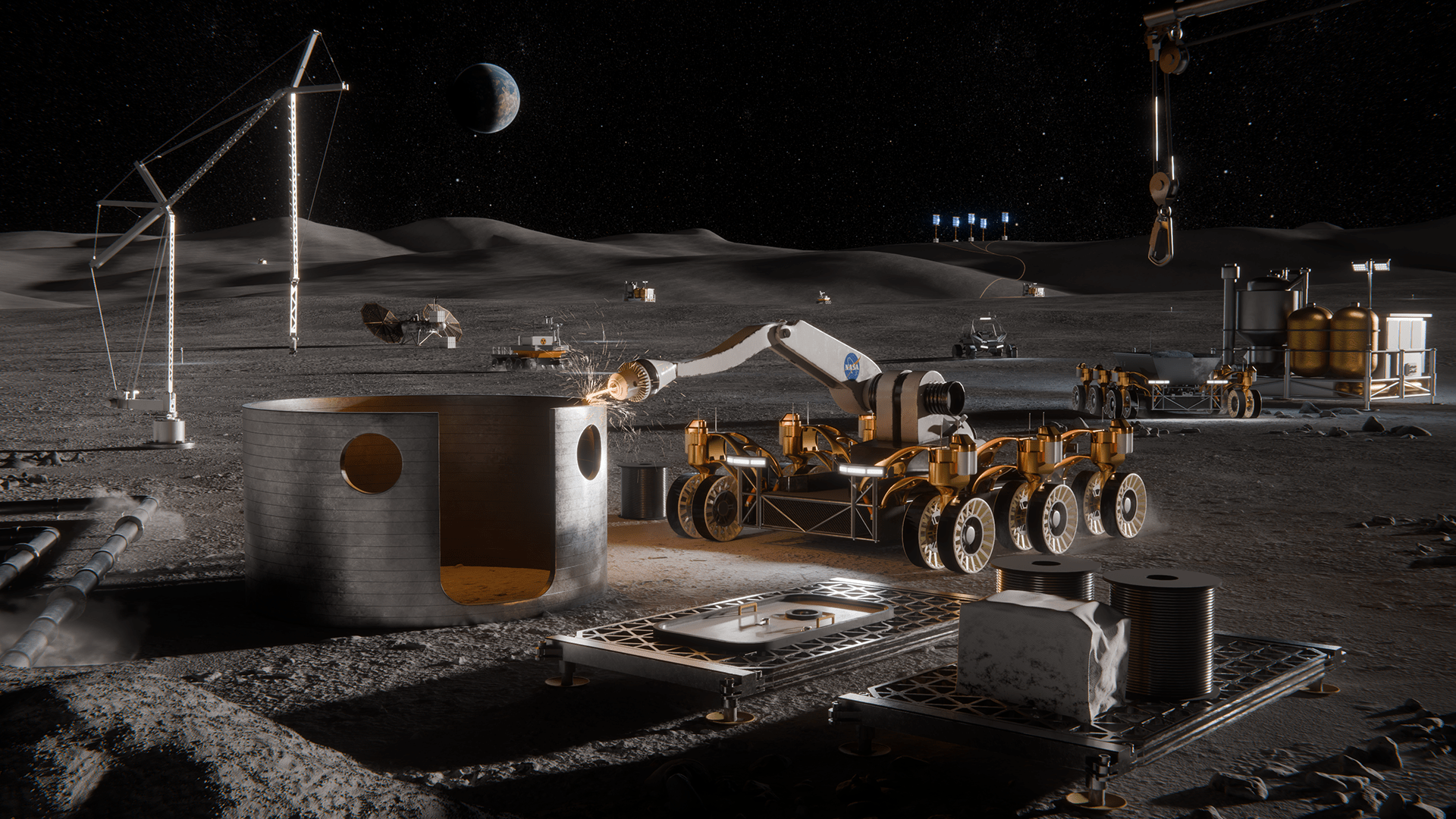
Long-term lunar exploration requires technology, infrastructure, and operations that function together cohesively on the surface of the Moon. To accel
Read Full Story at NASA →Why This Matters
The Moon is no longer just a distant milestone—it’s the proving ground for humanity’s next giant leap. By soliciting industry input for lunar surface technologies, NASA is signaling a strategic pivot toward sustainable, commercial-ready infrastructure that could redefine how we explore space. This isn’t just about planting flags; it’s about building the supply chains, habitats, and power systems that will support long-term human presence—and open the door to deep-space missions.
Background Context
The push for lunar surface technologies gained momentum after the Trump administration’s 2017 directive to return astronauts to the Moon by 2024, later adjusted to 2025 under Artemis, and now evolving into a broader, multi-decade campaign. Unlike the Apollo era’s temporary visits, today’s efforts prioritize permanence, with the Artemis Accords and international partnerships framing a new economic and geopolitical frontier. Meanwhile, private companies like SpaceX and Blue Origin have already begun developing landers and habitats, but gaps remain in critical systems like power generation and in-situ resource utilization.
What Happens Next
Industry partnerships will likely accelerate the maturation of lunar tech, with NASA likely to select a mix of established aerospace firms and innovative startups for contracts by mid-2025. The biggest open question is whether these systems can achieve the reliability and cost-efficiency needed for sustained operations—especially in areas like dust mitigation and energy storage, where past missions have struggled. Watch for announcements on prototype testing sites and potential collaborations with international agencies, particularly from partners like Japan and Europe, which are investing heavily in lunar infrastructure.
Bigger Picture
This effort reflects a broader shift toward public-private collaboration in space, mirroring how commercial aviation and GPS evolved from government-driven projects to thriving industries. It also underscores the Moon’s emerging role as a stepping stone for Mars, where similar technologies will be tested under harsher conditions. As nations and companies race to secure lunar resources, the race to define the Moon’s economic and strategic value is accelerating—setting the stage for potential disputes over territory and access.