NASA astronaut Anil Menon answers New Hampshire student questions from space
NASA astronaut Anil Menon will answer pre-submitted STEM questions from New Hampshire students via a live call from the International Space Station on September 24. This outreach initiative aims to c…
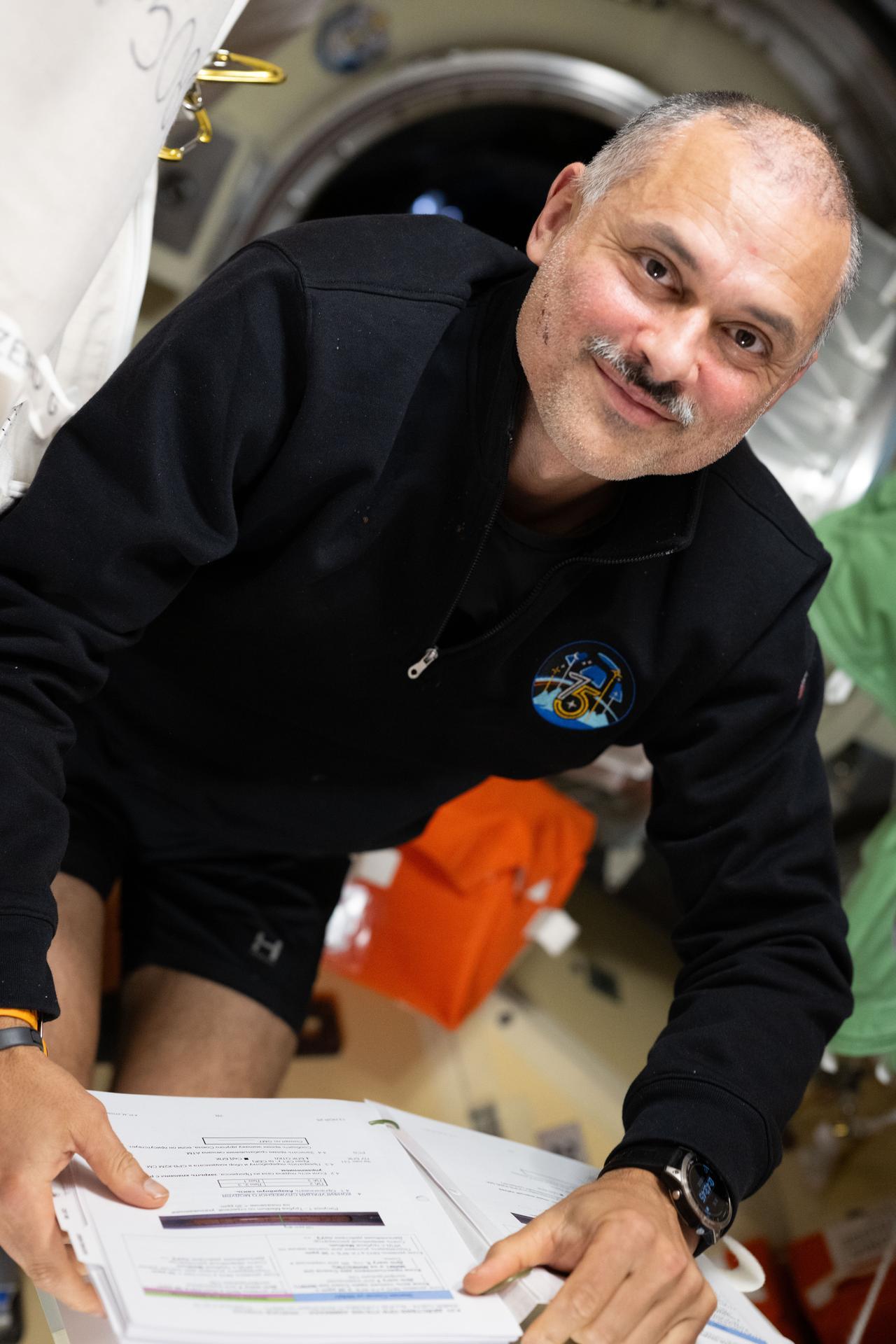
NASA astronaut Anil Menon will answer questions from students in New Hampshire from the International Space Station on Thursday, Sept. 24. The live call starts at 11:40 a.m. EDT and will be streamed to the participating schools. Students will send their STEM questions ahead of time, and Menon will record his responses while orbiting Earth.
The event is part of NASA’s long‑standing effort to bring space science into classrooms. Over the past decade, the agency has used live and prerecorded feeds to connect astronauts with young people across the country. New Hampshire schools have a history of hosting such outreach, and the state’s high‑school science teachers have asked for more opportunities to bring real‑time space conversations to their students. By answering questions from orbit, Menon helps students see how the concepts they study in physics, chemistry and math apply in real life.
During the call, Menon will speak from the ISS’s Cupola module, where he can look out over the planet. The questions will cover topics like gravity, materials science, and the challenges of living in microgravity. Teachers will have already collected the questions through an online form, and the answers will be recorded and edited for a short video that will be shared with the students afterward. NASA will also post a clip on its social media channels so that students who missed the live feed can still watch.
After the session, the schools will receive a recording of Menon’s answers, which teachers can use for projects or classroom discussions. NASA plans to hold similar calls in the coming months, targeting students in other states. The outreach program aims to spark interest in STEM careers and to show that space work is a real, attainable path. The event also highlights how space agencies can use technology to reach learners far from launch sites, making the frontier of space a classroom for everyone.
Read Full Story at NASA →