Apple to redesign entry-level MacBook Pro with M7 chip in 2027
Apple plans to redesign the entry-level MacBook Pro with an M7 chip as early as spring 2027. This breaks tradition by bringing premium features to budget models, boosting competitiveness.
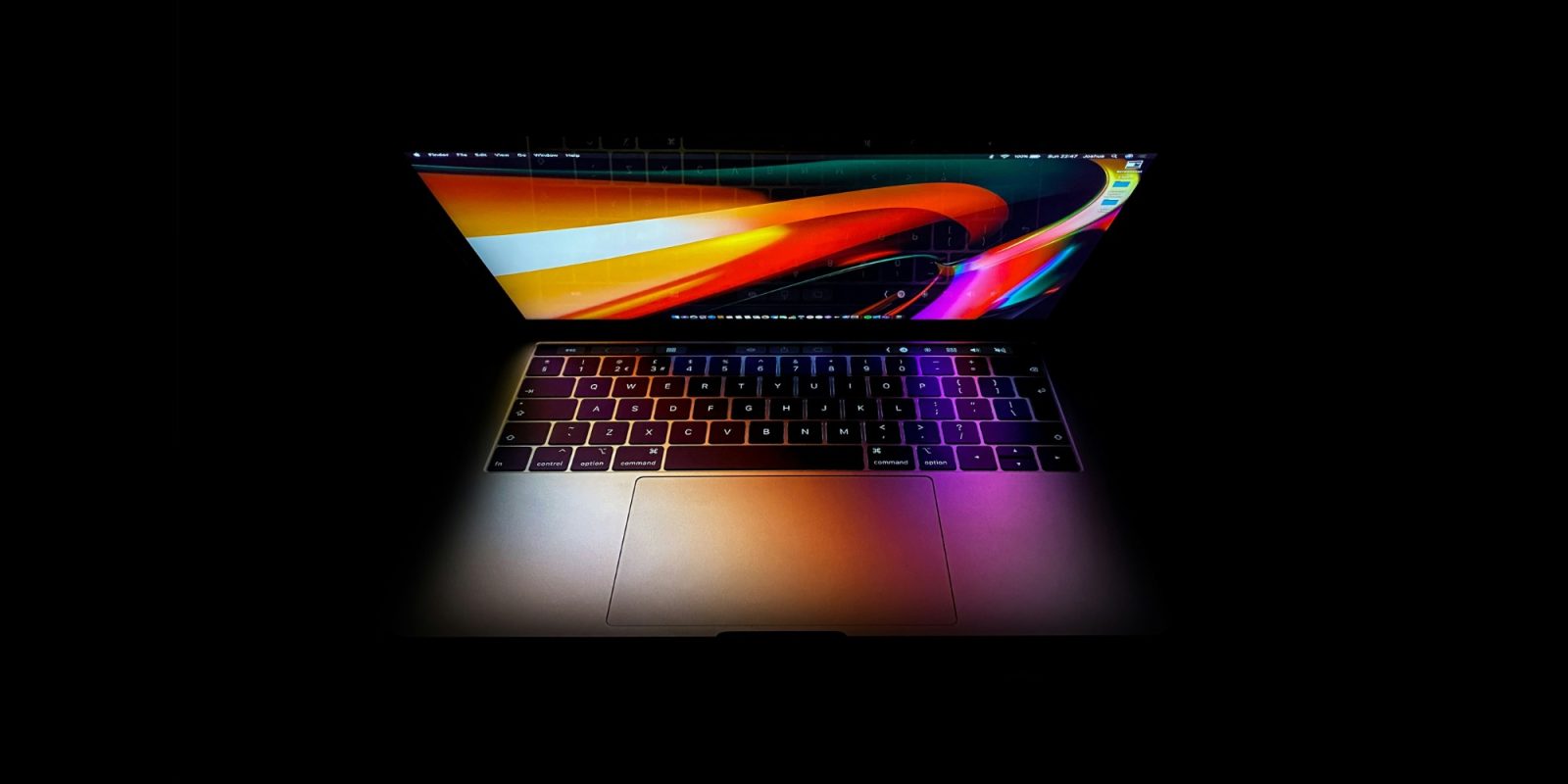
Apple is reportedly overhauling the entry-level MacBook Pro design, with a new M7-powered model expected to arrive sooner than initially anticipated,
Read Full Story at 9to5Mac →Why This Matters
The entry-level MacBook Pro’s accelerated redesign signals a strategic pivot in Apple’s product hierarchy, potentially redefining the balance between accessibility and premium performance in the laptop market. By pushing high-end silicon down to lower price tiers, Apple may be signaling a long-term commitment to phased innovation—where cost barriers erode faster than ever before.
Background Context
Historically, Apple reserved its most advanced chips and designs for flagship models, treating the entry-level MacBook Pro as a stripped-down version of its premium lineup. This approach mirrored the company’s broader strategy of maintaining profit margins while catering to casual users. The shift toward earlier integration of top-tier components reflects both competitive pressure from rivals like Qualcomm and AMD and Apple’s own push to dominate AI-driven workflows.
What Happens Next
If Apple delivers on its 2027 timeline, competitors may accelerate their own mid-range product cycles, forcing the industry to confront whether premium features can remain exclusive for long. Watch for downstream effects on pricing across the MacBook line, as well as how third-party developers and accessory makers adapt to a more powerful baseline device. The move could also reignite debates over whether Apple’s chip upgrades are being driven by hardware demand or by the need to sustain its silicon ecosystem’s dominance.
Bigger Picture
This shift aligns with a broader trend in tech where once-luxury features trickle down at breakneck speed, fueled by Moore’s Law-like performance gains and supply chain efficiencies. It also underscores Apple’s growing reliance on internal chip design to differentiate its products—a strategy that, while lucrative, may limit third-party innovation in the long run. The move could reshape consumer expectations, making it harder for rivals to justify premium pricing for incremental improvements.