Study reveals farmed salmon's omega-3 levels have significantly declined
Recent research shows that the omega-3 fatty acid content in farmed salmon has significantly decreased due to changes in feeding practices, raising concerns about its nutritional value. This decline …
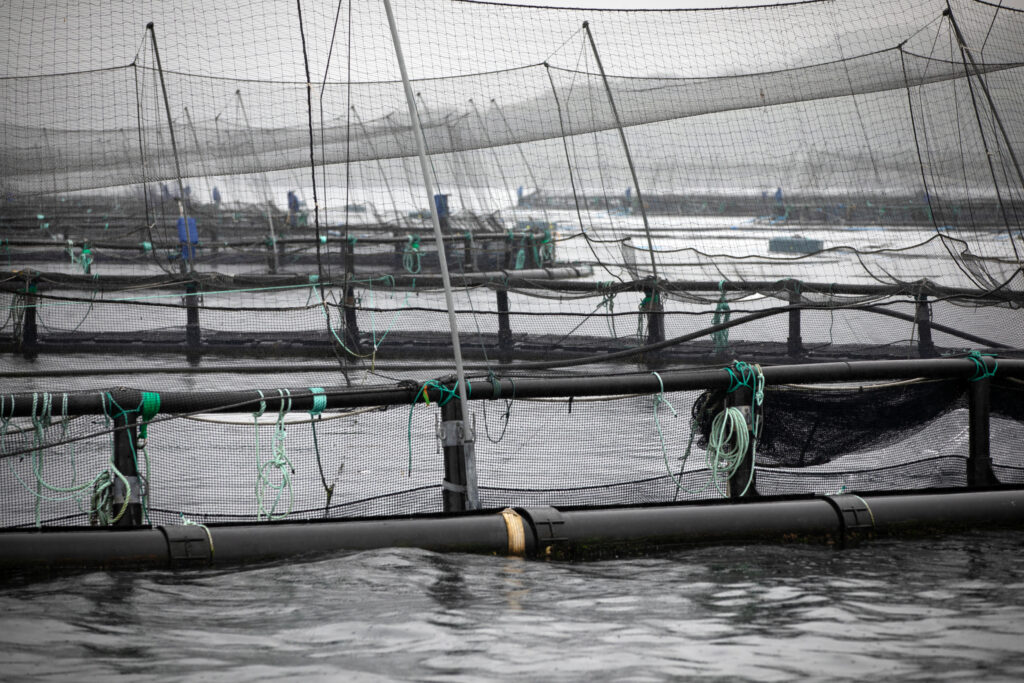
Recent research indicates that farmed salmon may not be as nutritious as it once was, raising concerns about the quality of this popular seafood. A study published in the journal "Nature" found that the omega-3 fatty acid content in farmed salmon has significantly decreased over the past few decades. This decline is attributed to changes in how the fish are raised and what they are fed, with a shift away from high-quality fishmeal to cheaper, plant-based feeds.
The growing demand for salmon has led to unprecedented levels of production, with nearly 70 percent of the world's salmon now farmed. This increase has put pressure on fish farms to find more cost-effective feeding options. While these changes have made salmon more accessible and affordable for consumers, they have also compromised the nutritional benefits that many associate with eating fatty fish. Omega-3 fatty acids are essential for heart health and brain function, and their reduction in farmed salmon could have broader implications for public health.
Experts in marine biology and nutrition have expressed concern over the findings. They suggest that consumers may not be receiving the health benefits they expect when choosing farmed salmon over other protein sources. Additionally, the decline in omega-3 content could lead to increased reliance on supplements to achieve recommended dietary intakes. This might shift consumer behavior and demand toward wild-caught salmon or other fish varieties that retain higher nutritional values.
Going forward, the seafood industry faces pressure to improve feeding practices and restore the nutritional profile of farmed salmon. Consumers may need to become more discerning about their choices, considering not only price but also nutritional content. As awareness of these issues grows, fish farms might adapt by investing in better feed formulations and sustainable practices. The outcome of this shift could significantly impact the future of salmon farming and public health.
Read Full Story at Inside Climate News →