FAA proposal: Supersonic airliners can fly over US cities if they’re quiet
New US rules would legalize quiet supersonic flights without the sonic boom.
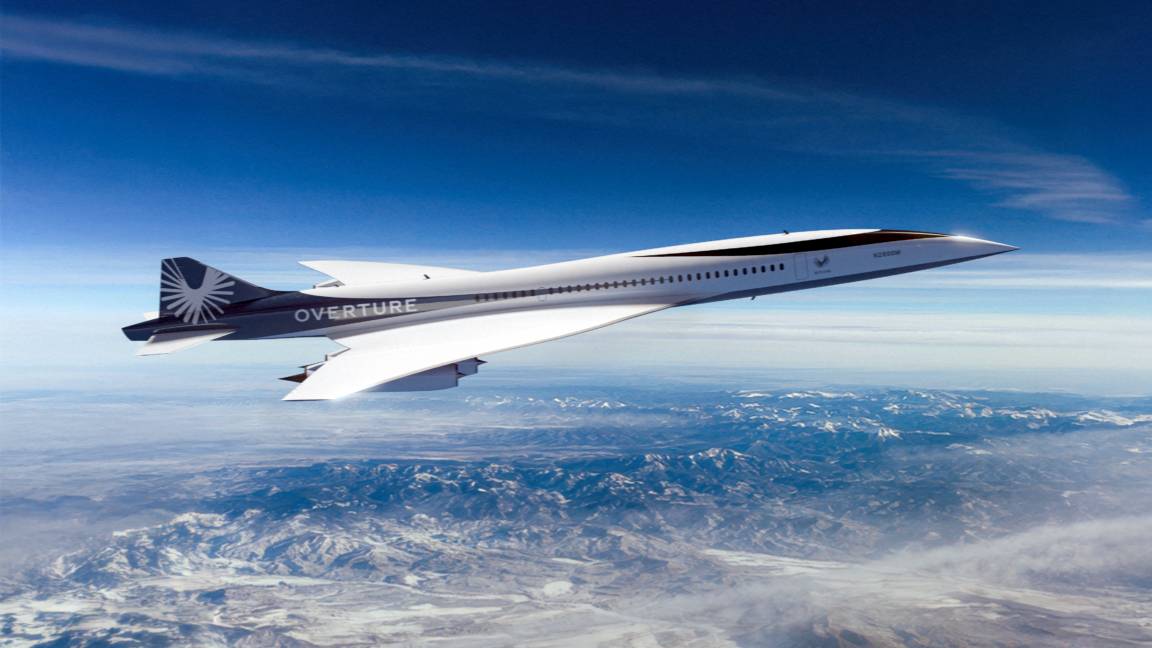
New US rules would legalize quiet supersonic flights without the sonic boom.
Read Full Story at Ars Technica →Why This Matters
The FAA’s proposal marks a pivotal moment in aviation’s century-long quest to reconcile speed with livability, potentially ending a 50-year ban on supersonic flight over U.S. soil. It’s not just about faster travel—it’s a litmus test for whether advanced aerospace technology can outpace regulatory inertia and public skepticism about noise pollution. For an industry desperate to reinvent itself post-pandemic, this could reignite commercial supersonic travel as a luxury niche or even a mass-market disruptor, depending on how the economics and public reception shake out.
Background Context
The 1973 FAA ban on civil supersonic flights over land was a death knell for the Concorde, which had already been hobbled by high costs and noise complaints. Since then, the industry has been stuck in a technological limbo, with only military and research aircraft breaking the sound barrier. Recent advances in quiet supersonic design—led by startups like Boom Supersonic and NASA’s X-59—have resurrected the dream, but the regulatory hurdles have remained formidable. Meanwhile, the U.S. and Europe have spent decades negotiating fleeting supersonic exemptions, leaving airlines in legal gray zones.
What Happens Next
The FAA’s rulemaking process will be the real battleground, with environmental groups likely to challenge the noise thresholds and aviation authorities under pressure to balance innovation with community concerns. If approved, the first quiet supersonic routes could emerge within three to five years, but widespread adoption hinges on whether airlines can justify the eye-watering ticket prices. Watch for lobbying battles over where flights are permitted and how noise is measured—two issues that could derail the entire enterprise before it even takes off.
Bigger Picture
This development is part of a broader aerospace renaissance, where sustainability and speed are no longer mutually exclusive. It also reflects a shift in how regulators approach cutting-edge technology, moving from blanket bans to nuanced, data-driven policies. If successful, quiet supersonic flights could pave the way for hypersonic travel and redefine global connectivity—though the risks of repeating Concorde’s mistakes remain high. The bigger question is whether this is the start of a new era or just another false dawn for an industry






