Europe Opens a New Front in the Mackerel Wars
Norway, Denmark, Iceland, the United Kingdom, the European Union and Russia all share the world’s largest and most lucrative Atlantic mackerel supply, an industry valued at more than $1 billion annual
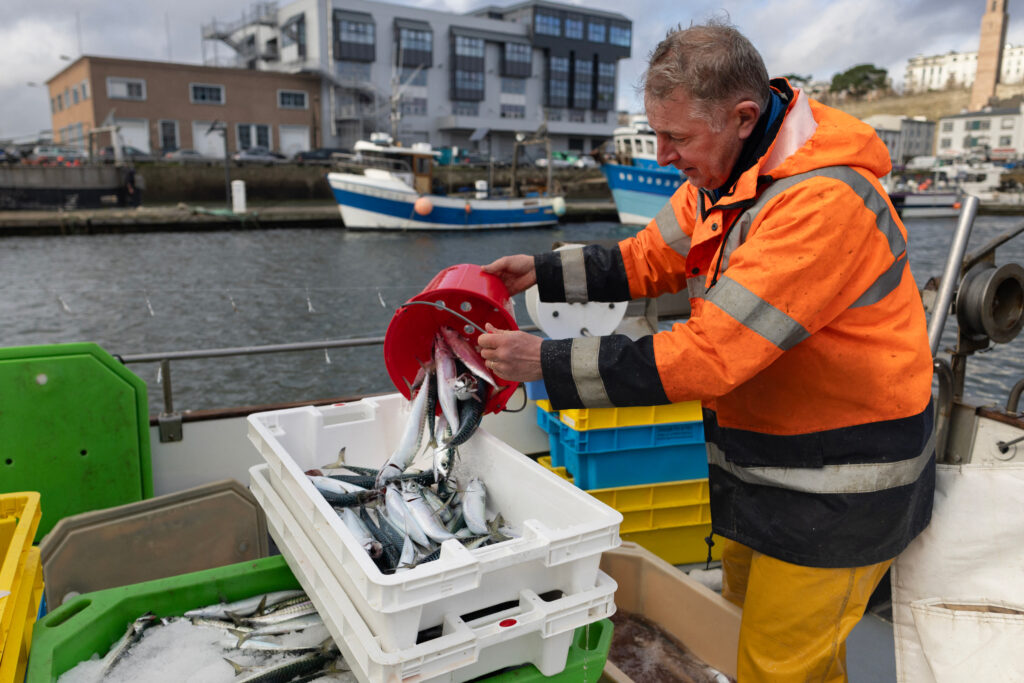
Norway, Denmark, Iceland, the United Kingdom, the European Union and Russia all share the world’s largest and most lucrative Atlantic mackerel supply,
Read Full Story at Inside Climate News →Why This Matters
The escalating "Mackerel Wars" threaten to redraw the geopolitical and economic map of the North Atlantic, where fisheries are no longer just about fish but about sovereignty, trade leverage, and the future of sustainable resource management in a warming climate. The dispute exposes deeper fractures in Europe’s ability to balance national interests with collective action, particularly as climate-induced migration of fish stocks forces nations to renegotiate access rights—often at the expense of historic agreements.
Background Context
For decades, the Atlantic mackerel fishery operated under a gentleman’s agreement among key players, but rising sea temperatures have pushed the species hundreds of miles north into waters claimed by the EU, Iceland, and the UK. Norway and Russia, long dominant in the industry, now face a challenge from these newcomers, while Denmark’s Faroe Islands—an autonomous Danish territory—has become an unlikely flashpoint amid its push for independent quota negotiations. The collapse of the 2019 EU-UK-Norway talks laid bare the fragility of these arrangements.
What Happens Next
Unilateral quota announcements by the EU and Norway this season suggest a prolonged standoff, with retaliatory tariffs or trade restrictions looming over the $1 billion industry. The UK’s post-Brexit fishing sovereignty claims may further complicate matters, while Iceland’s strategic positioning as a hub for mackerel processing could turn it into an indispensable middleman—or a new adversary. Watch for whether the UN Convention on the Law of the Sea (UNCLOS) is invoked to arbitrate, a move that could set a precedent for other migratory fish disputes.
Bigger Picture
This conflict is a microcosm of a global shift: as fish stocks migrate poleward, maritime boundaries drawn in an era of cooler seas are becoming obsolete. The mackerel wars foreshadow similar battles over herring, blue whiting, and even Atlantic salmon, where traditional alliances—like the EU and Norway’s decades-long cooperation—are fraying under economic pressure. Ultimately, the outcome may determine whether climate change forces nations into cooperation or accelerates a new era of resource nationalism in the North Atlantic.