Curiosity Sees Martian Sulfur Up Close
This close-up view shows fragments of sulfur crystals — the first ever seen on the Red Planet. The crystals were found after NASA’s Curiosity Mars rover happened to drive over a rock and crush it on M
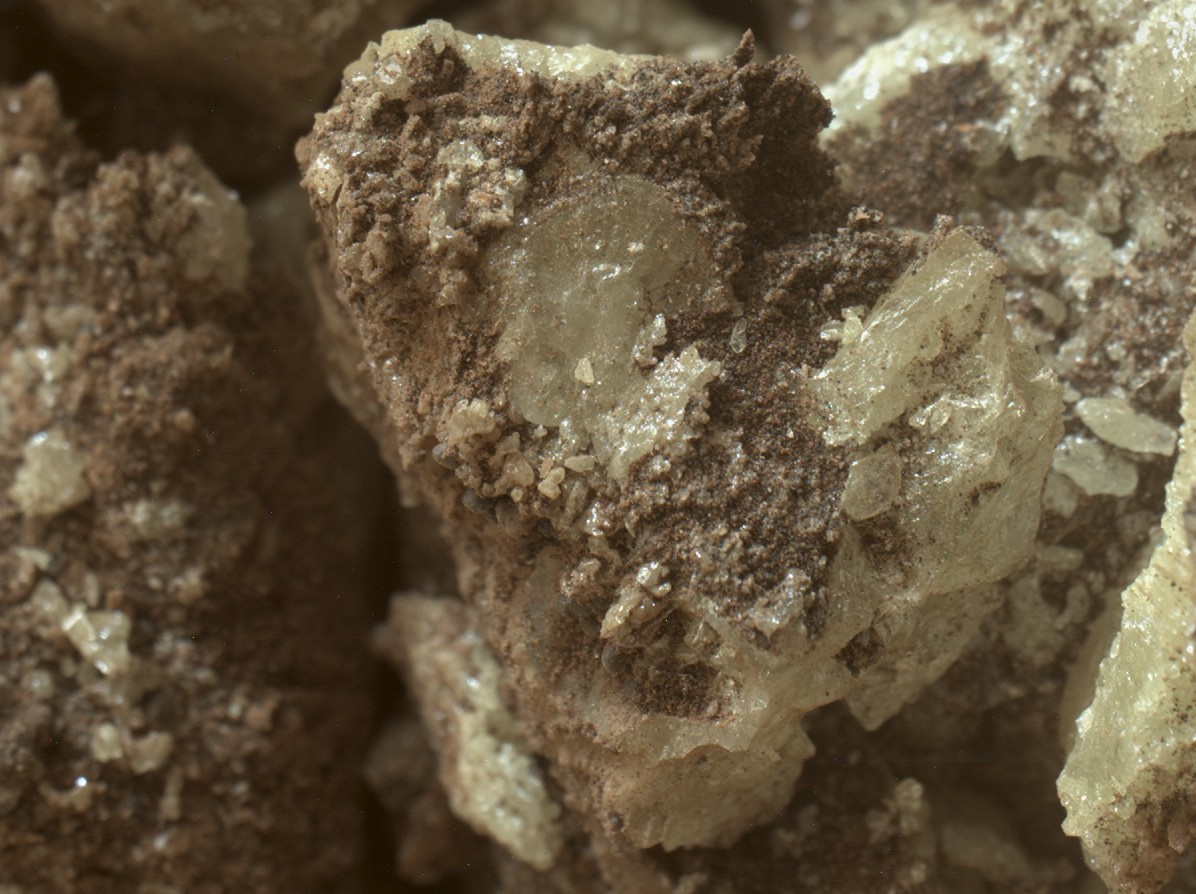
This close-up view shows fragments of sulfur crystals — the first ever seen on the Red Planet. The crystals were found after NASA’s Curiosity Mars rov
Read Full Story at NASA →Why This Matters
The discovery of pure sulfur crystals on Mars marks a pivotal shift in our understanding of the planet’s geochemical history. Unlike previously identified sulfur compounds tied to Martian minerals, these crystals suggest conditions once existed that allowed elemental sulfur to form and persist—raising questions about past hydrothermal activity or even microbial potential.
Background Context
While sulfur is common in Martian soils and rocks—often in oxidized forms like sulfates—elemental sulfur had never been directly observed. Past missions, including the Spirit and Opportunity rovers, detected sulfur compounds but not in this crystalline, pure form. The finding challenges assumptions about the planet’s chemical evolution and aligns with emerging evidence that Mars may have hosted more dynamic, water-rich environments than once theorized.
What Happens Next
Scientists will now focus on retracing Curiosity’s path to locate the source bedrock, seeking additional sulfur deposits to determine their distribution and origin. The rover’s instruments will analyze the crystals’ isotopic composition, which could reveal whether they formed through volcanic activity, microbial processes, or another mechanism. This discovery may also inform future missions targeting high-sulfur regions for potential biosignature searches.
Bigger Picture
This find underscores a growing trend in planetary science: Mars is far more geologically and chemically diverse than early models suggested. As missions like Perseverance and upcoming European and Chinese rovers expand their searches, similar surprises may emerge, reshaping our timeline of the Red Planet’s habitability. It also highlights the value of serendipitous discoveries—like crushing a rock—in driving scientific breakthroughs.