Canva Code 2.0 adds visual editing, HTML imports, and real-time collaboration
Canva today unveiled Canva Code 2.0, an AI-powered vibe coding platform that lets users build and visually edit websites, apps, and interactive experiences. Here are the details.
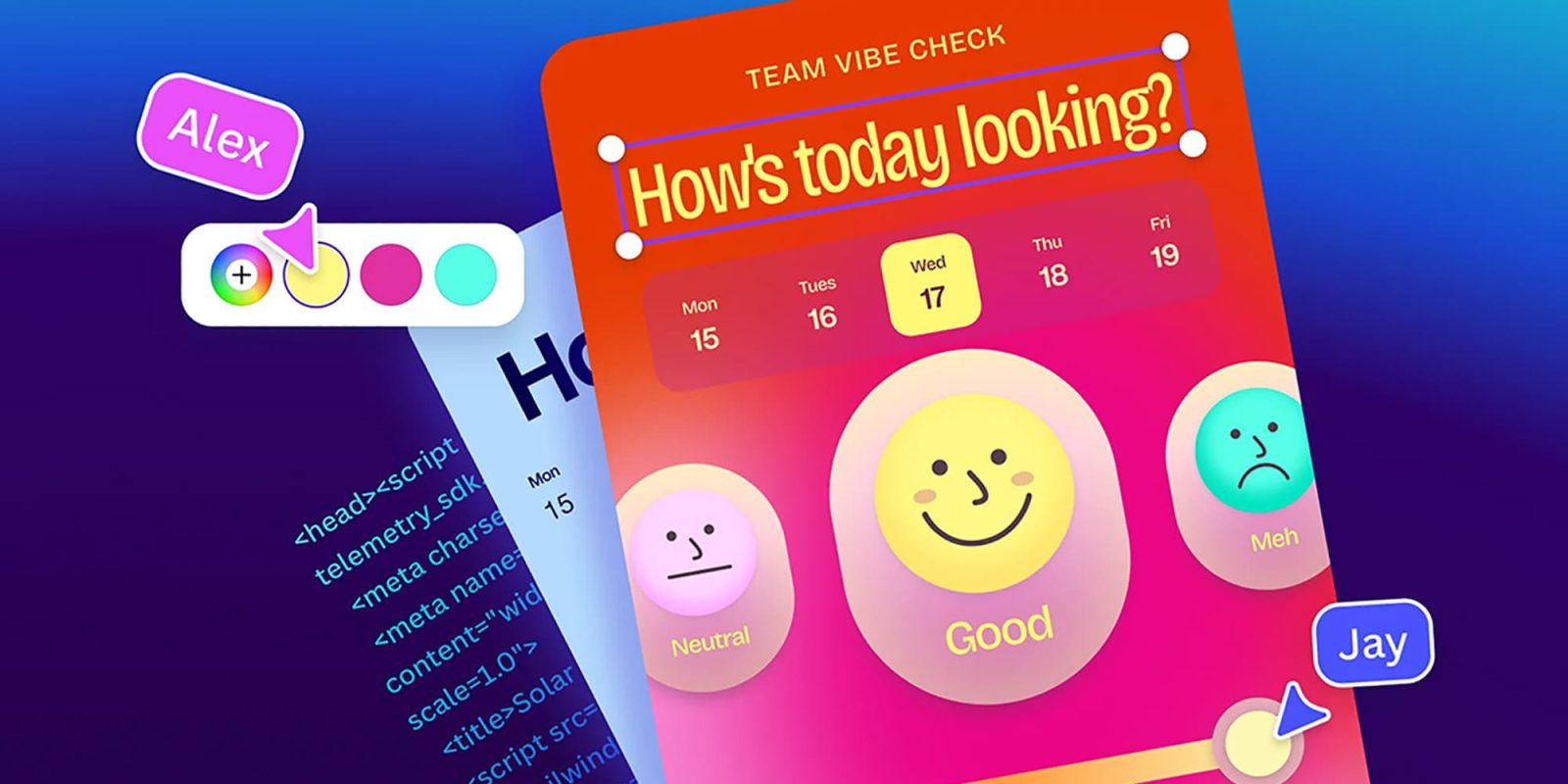
Canva today unveiled Canva Code 2.0, an AI-powered vibe coding platform that lets users build and visually edit websites, apps, and interactive experi
Read Full Story at 9to5Mac →Why This Matters
Canva’s Code 2.0 isn’t just another design tool update—it’s a quiet but seismic shift in how non-developers and creatives engage with functional digital product creation. By merging AI-driven code generation with real-time visual editing, Canva is blurring the lines between prototyping and production, potentially democratizing web and app development in ways Figma or Adobe have only flirted with.
Background Context
Visual-first development tools have historically catered to designers, leaving developers to bridge the gap between mockups and code. Startups like Framer and Webflow have championed this space, but Canva’s entry leverages its 170-million-user ecosystem—a scale that could force incumbents to either adapt or acquire. Meanwhile, AI coding assistants like GitHub Copilot and Cursor have already normalized AI-assisted development, making Canva’s move a logical next step.
What Happens Next
Expect a domino effect: competitors will either double down on visual-first tools or pivot toward deeper AI integration. Regulators may scrutinize AI-generated code for compliance risks, while enterprises will grapple with how to govern no-code/low-code tools in production environments. The biggest unknown is whether developers will embrace or resist this—will it be seen as a threat or a productivity multiplier?
Bigger Picture
Canva’s expansion into functional code reflects a broader industry convergence: the rise of "vibe coding," where creativity and execution are no longer siloed. As AI reduces the friction between idea and implementation, the entire software development lifecycle is being reimagined—raising questions about the future role of traditional developers and the balance between accessibility and control.