Can inspectors return to Iran's nuclear sites?
International Atomic Energy Agency (IAEA) head Rafael Grossi is confident that the UN nuclear watchdog will inspect Iranian nuclear sites in the foreseeable future. Grossi told reporters on Wednesday
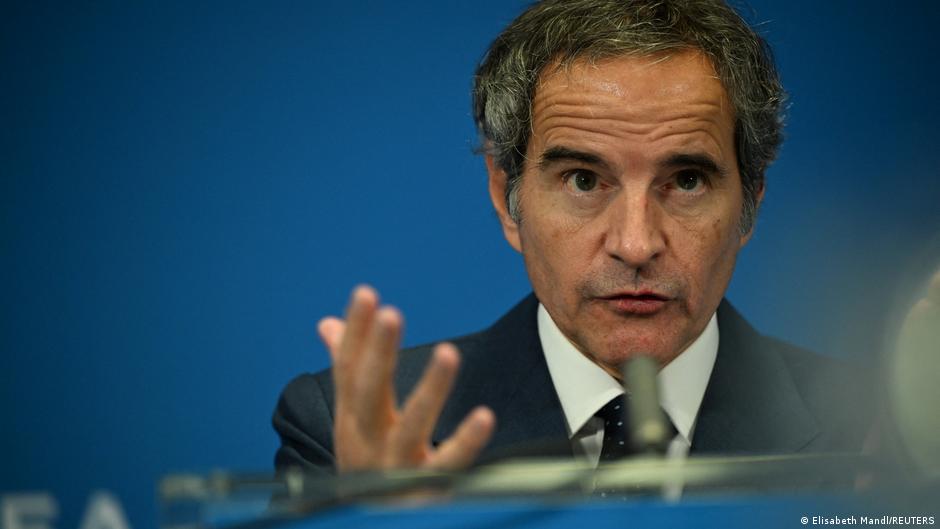
International Atomic Energy Agency (IAEA) head Rafael Grossi is confident that the UN nuclear watchdog will inspect Iranian nuclear sites in the fores
Read Full Story at DW World →Why This Matters
The possibility of IAEA inspectors returning to Iran’s nuclear sites could mark a critical turning point in the standoff over Tehran’s nuclear program, potentially easing tensions that have simmered since the collapse of the 2015 nuclear deal. A resumption of inspections would not only restore a vital layer of transparency but also signal whether Iran is willing to engage in good faith with international oversight—an essential step for any future diplomatic breakthrough.
Background Context
Iran’s nuclear program has been a flashpoint since the early 2000s, when clandestine activities first raised suspicions about its intentions, leading to a series of UN Security Council resolutions and sanctions. The 2015 Joint Comprehensive Plan of Action (JCPOA) temporarily eased these concerns by imposing strict limits on Iran’s uranium enrichment, but the U.S. withdrawal in 2018 triggered a cascade of Iranian violations and reduced IAEA access to key sites.
What Happens Next
The timing of any inspection resumption will hinge on whether Iran and the IAEA can bridge their differences over access terms, particularly at sites like Karaj, where equipment was allegedly sabotaged. Grossi’s optimism suggests behind-the-scenes negotiations are underway, but the real test will be whether Iran allows unrestricted monitoring—or if political factions in Tehran will block a deal to avoid appearing weak.
Bigger Picture
This episode reflects a broader erosion of trust in the global non-proliferation regime, as major powers increasingly prioritize geopolitical interests over multilateral safeguards. Iran’s case also highlights how nuclear diplomacy has become entangled in regional proxy conflicts, with Saudi Arabia and Israel monitoring developments closely—and likely preparing contingency plans if inspections fail.