Author Lise Barnéoud on the bizarre and provoking world of microchimerism — when cells from one person live in another, genetically distinct individual
Over a century ago, German pathologist Georg Schmorl documented a strange phenomenon: cells from fetuses that had moved into the mother during pregnancy. He had discovered microchimerism — where the …
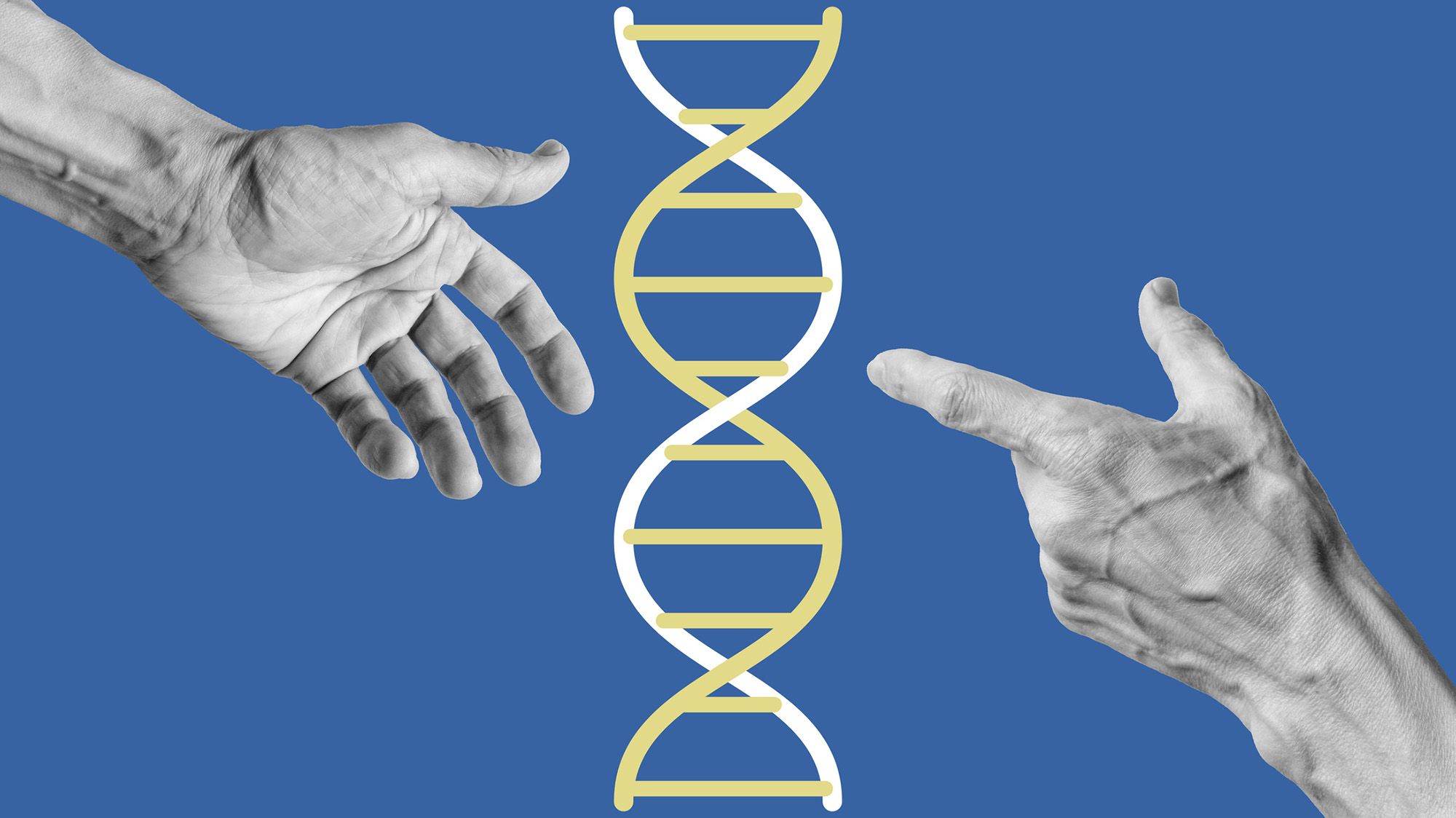
Over a century ago, German pathologist Georg Schmorl documented a strange phenomenon: cells from fetuses that had moved into the mother during pregnancy. He had discovered microchimerism — where the cells from one individual move into another and set up shop.
In the past few decades, scientists' understanding of microchimerism has grown, thanks to technological advances. And the implications are wild.
Cells transferred during pregnancy could mean you have cells from your grandmother living inside you. A twin can be "absorbed" within the womb, leaving a genetic trace of the lost sibling. And after a bone marrow transplant, a man ended up with the donor's DNA in his blood and semen . These are just a few examples of how microchimerism opens a new way to understand immunology, genetics and evolution.
In her book " Hidden Guests: Migrating Cells and How the New Science of Microchimerism Is Redefining Human Identity " (Greystone Books, 2025), author and journalist Lise Barnéoud explores how the field emerged and developed as scientists grappled with understanding what was going on, and why — as well as the far-reaching implications of these minuscule interlopers.
"Hidden Guests" has been short-listed for the 2026 Royal Society Trivedi Science Book Prize .
Excerpt from "Hidden Guests": 'It doesn't lie. So who are you?': What happens when DNA tests show a woman is not the mother of the child she gave birth to?
Lise Barnéoud is a freelance science journalist who regularly contributes to Mediapart, Science et Vie, Le Monde. In addition to Hidden Guests, she is the author of two books about vaccines (not yet translated). In 2017 she won French Science Writer of the Year and was nominated for European Science Writer of the Year. Lise lives in France.
Live Science spoke with Barnéoud about the book, why the idea of microchimerism resonates so deeply, and where the field could be headed next. "Hidden Guests" has been short-listed for the 2026 Royal Society Trivedi Science Book Prize .
Read Full Story at Live Science →