Afghan Taliban launch strikes on border with Pakistan as tensions escalate
Afghanistan's Taliban regime said they have carried out strikes on targets along the border with Pakistan, injuring several people in Pakistan's southwestern Balochistan province. Pakistan's military
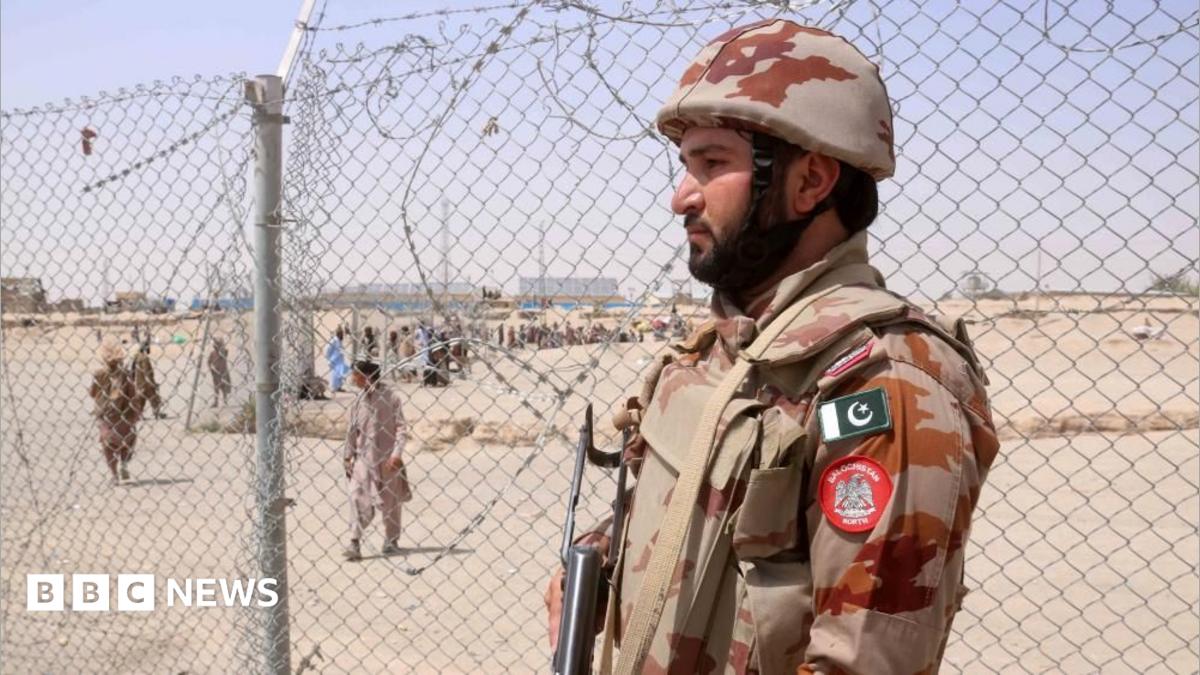
Afghanistan's Taliban regime said they have carried out strikes on targets along the border with Pakistan, injuring several people in Pakistan's south
Read Full Story at BBC World News →Why This Matters
The escalation along the Afghanistan-Pakistan border underscores the persistent fragility of regional security, where long-standing disputes over border demarcation and militant sanctuaries now intersect with the Taliban’s renewed assertiveness. For Islamabad, the cross-border strikes risk reigniting domestic pressure to confront the Taliban, while Kabul’s actions may signal a hardening stance as relations with neighboring states deteriorate under their isolationist rule.
Background Context
The Durand Line, established in 1893, remains a contentious border separating Afghanistan from British India (now Pakistan), never formally recognized by Kabul. Since the Taliban’s return to power in 2021, cross-border tensions have surged, with Pakistan accusing the regime of harboring the Tehreek-e-Taliban Pakistan (TTP) insurgency, while Kabul dismisses such claims as pretexts for Pakistani interference.
What Happens Next
Pakistan’s military may respond with calibrated strikes or diplomatic pressure to deter further Taliban aggression, though the risk of miscalculation remains high given the regime’s opaque decision-making. Meanwhile, the strikes could embolden anti-Taliban factions in Afghanistan, potentially fueling a cycle of retaliation that destabilizes southern Afghanistan’s already volatile provinces.
Bigger Picture
This incident reflects a broader pattern of Taliban-led provocations across the region, from border clashes with Iran to economic coercion in Central Asia, as the regime seeks to consolidate power amid international isolation. The escalation also highlights how weak or contested borders serve as pressure valves for militant groups, enabling them to exploit governance gaps while complicating regional counterterrorism efforts.







