A 72-year-old photo is revealing new clues about 'Meretneith,' a powerful woman who may have ruled Egypt 5,000 years ago
A new analysis of a decades-old photo is revealing new details about a powerful woman who ruled Egypt 5,000 years ago, a new study finds. The woman, named Meretneith (also spelled Merneith or Meret-…
A new analysis of a decades-old photo is revealing new details about a powerful woman who ruled Egypt 5,000 years ago, a new study finds.
The woman, named Meretneith (also spelled Merneith or Meret-Neith), reigned during the first dynasty, a time not long after Egypt was united under a single ruler , according to the new research. The study, published in the September issue of the journal Prague Egyptological Studies , enhanced an old photo of a now lost artifact revealing that Meretneith's name was written in a way reserved for a ruler for Egypt.
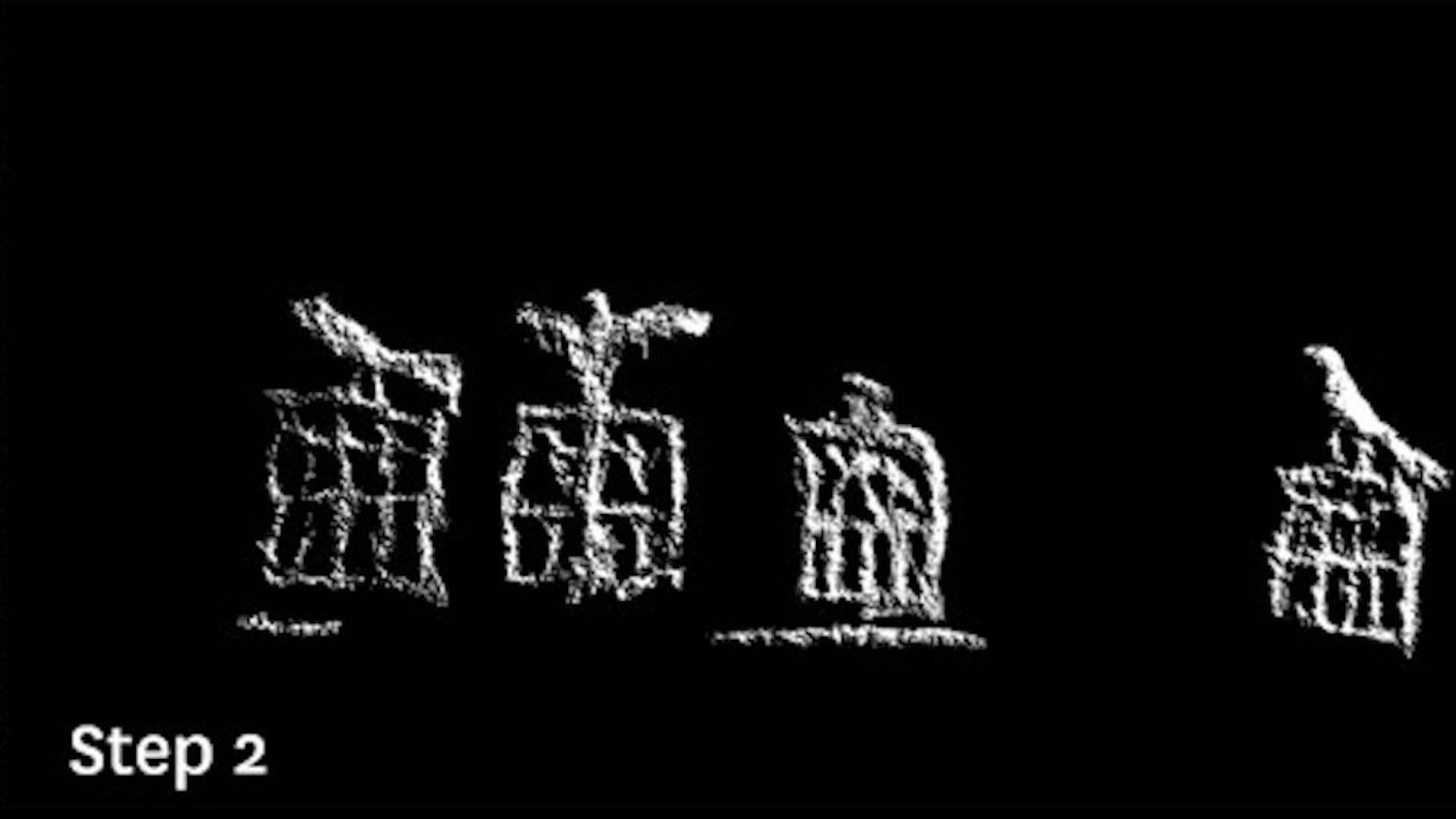
The finding was more than 70 years in the making. In the 1940s, archaeologist William B. Emery found 13 mud stoppers, or seals that identify an object's owner, around the mouth of a tomb shaft at Saqqara . Each contained a series of four serekhs — a series of signs that gave the name of a ruler of Egypt. He identified two of the serekhs as belonging to a king named Djer and suggested that the other two belonged to a woman named Meretneith.
The presence of Meretneith's name in the serekhs indicates that she was a ruler of Egypt, he said. In a 1954 journal article , he published a black-and-white photograph of one of the mud stoppers. However, the poor quality of the photo meant many scholars were unconvinced.
Further complicating the investigation, all 13 of the mud stoppers, as well as the photograph's original glass plate, have gone missing since the excavations. Their whereabouts are "unknown," Susan Kelly , an Egyptology researcher at Macquarie University in Australia and co-author of the new paper, told Live Science in an email.
This leaves only the black-and-white photograph. In the new study, Kelly and Crystal Miller , a technician at the same university who is now getting a master's degree in bioarchaeology, used a series of complex techniques to create digital enhancements of the photo that elucidated more details of the serekhs.
"Our technique has revealed that in the second and third serekhs, the signs in the name portion of the emblem are consistent with the main sign used to write Meretneith's name" Kelly wrote in an article for The Conversation .
Get the world’s most fascinating discoveries delivered straight to your inbox.
Read Full Story at Live Science →