Vera C. Rubin Observatory launches decade-long cosmic sky survey
The Vera C. Rubin Observatory began a decade-long sky survey to capture high-definition time-lapse data of the cosmos. This massive project aims to revolutionize astrophysics by revealing more about d
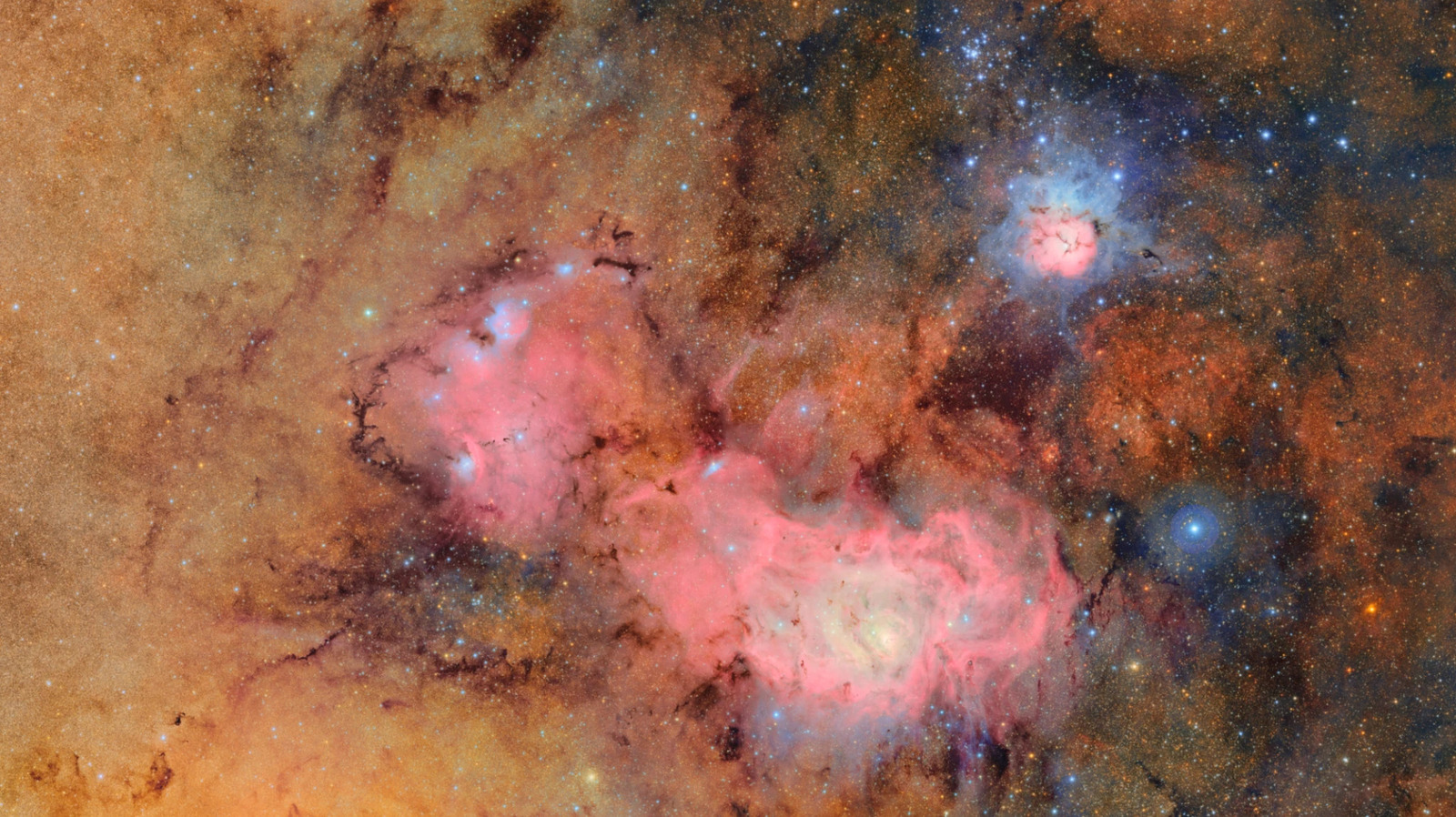
The Vera C. Rubin Observatory in Chile has begun a 10-year survey of the universe, capturing a new image roughly every 40 seconds to create a high-def
Read Full Story at Engadget →Why This Matters
The Vera C. Rubin Observatory’s decade-long survey marks a paradigm shift in astronomy, transitioning from static snapshots to dynamic, time-resolved observations of the universe. By capturing millions of celestial events in unprecedented detail, this project could uncover transient phenomena—from rogue asteroids to distant supernovae—that have eluded detection until now, fundamentally altering our understanding of cosmic evolution.
Background Context
The observatory, named after the pioneering astronomer Vera Rubin, is located atop Chile’s Cerro Pachón, where its 8.4-meter Simonyi Survey Telescope will scan the entire visible sky every few nights. Its Legacy Survey of Space and Time (LSST) camera, the largest digital camera ever built, will generate over 20 terabytes of data nightly, a scale that demands advances in AI-driven data processing and global collaboration.
What Happens Next
Within the first year, the survey is expected to detect millions of new asteroid orbits, potentially reclassifying near-Earth objects and refining planetary defense strategies. Longer-term, the data will pressure theoretical astrophysicists to reconcile discrepancies in dark matter models or gravitational wave observations, while also testing the limits of automated discovery pipelines.
Bigger Picture
This initiative reflects a broader trend toward "big data" astronomy, where AI and machine learning are becoming indispensable for sifting through petabyte-scale datasets. It also underscores the growing democratization of space science, as open-access data policies enable global participation—from amateur astronomers to researchers in developing nations.